

Dental Emergencies: What to Do and When to See an Emergency Dentist
A dental emergency can be frightening, and what you do in the first few minutes can make a real difference to the outcome. Whether you have a knocked out tooth, a throbbing toothache, a broken tooth, or sudden swelling, this guide walks you through what counts as a dental emergency, the first aid steps to take at home, and when to see an emergency dentist. If you are in Kallangur or the surrounding area and need urgent care, call us on 07 3491 8131 and we will help you as quickly as we can.
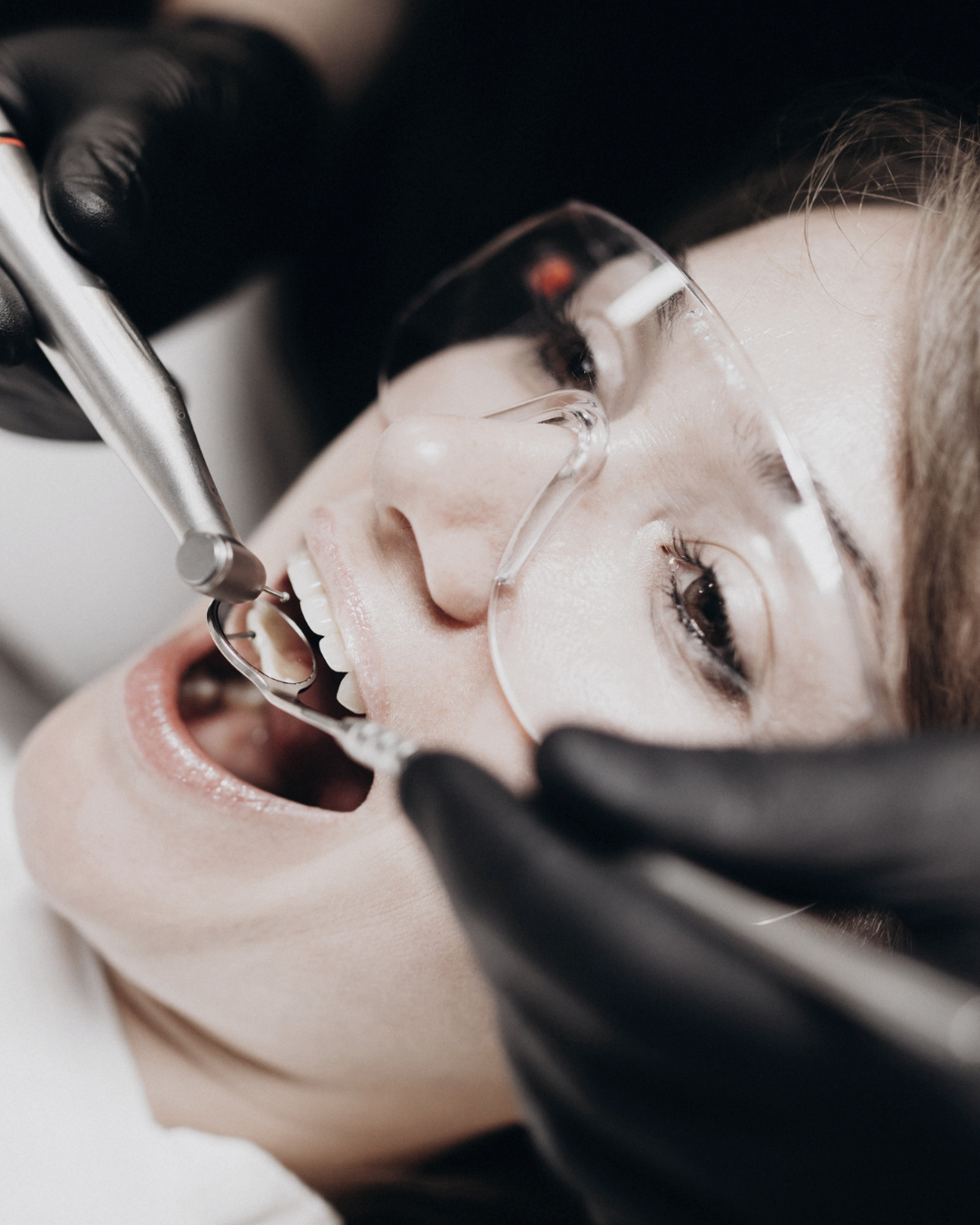
What Counts as a Dental Emergency?
Not every dental problem needs to be seen within the hour, but some genuinely do. As a general guide, treat it as urgent if you have severe or worsening pain, a knocked out or badly displaced adult tooth, significant swelling of the face or gums, bleeding that will not stop, or a broken tooth with sharp pain. These situations usually benefit from prompt care, so it is best to call us straight away.
Other issues are uncomfortable but less time critical, such as a small chip with no pain, a dull ache that comes and goes, or a lost filling that is not causing problems. These still need attention, just not necessarily today. If you are ever unsure how serious something is, call and describe your symptoms and we will help you work out how quickly you need to be seen.
Severe Toothache and Dental Abscess
A severe or persistent toothache is one of the most common reasons people call an emergency dentist, and it should not be ignored. Ongoing pain can be a sign of decay reaching the nerve, a cracked tooth, or an infection. A dental abscess, which often shows up as swelling, a bad taste, throbbing pain, or a fever, is a sign of infection that needs prompt treatment because it can spread if left alone.
While you wait to be seen, rinsing gently with warm salt water and taking over the counter pain relief as directed can help ease the discomfort. Depending on the cause, treatment might involve root canal treatment to save the tooth, or in some cases removal. If swelling starts to affect your breathing or swallowing, treat it as a medical emergency and call 000.
Knocked Out Tooth: Act Within the Hour
A knocked out adult tooth is one of the few dental situations where minutes really matter. The sooner the tooth is back in place, the better the chance of saving it, ideally within 30 to 60 minutes. Pick the tooth up by the crown, which is the part you normally see, and avoid touching the root. If it is dirty, rinse it briefly with milk or saline rather than scrubbing it.
If you can, gently place the tooth back into its socket and hold it there by biting on a clean cloth. If reinserting it is not possible, keep it moist in a small container of milk, or tucked inside your cheek, and bring it with you. Then call us and come in as quickly as you can. For a child's knocked out baby tooth, do not try to put it back, as this can harm the adult tooth developing underneath. Instead, contact our children's dentistry team for advice.
Chipped, Cracked or Broken Teeth
A chipped or broken tooth can range from a minor cosmetic issue to a painful emergency, depending on how deep the damage goes. If a piece has broken off, keep it if you can and bring it with you. Rinse your mouth with warm water, use a cold compress on the outside of your cheek to reduce swelling, and try to avoid chewing on that side until you are seen.
Cracks are not always visible but can worsen over time, so it is worth having any broken tooth checked promptly. Depending on the extent of the damage, treatment may involve a filling, a dental crown to protect and rebuild the tooth, or other options we will talk through with you.
Lost Filling or Crown
Losing a filling or a crown is usually not as urgent as a knocked out tooth, but it does leave the tooth exposed and more vulnerable, so it is best not to leave it too long. If your crown has come off in one piece, keep it safe and bring it in, as it can often be re-cemented. Temporary dental cement from a pharmacy can cover the area in the meantime, and it helps to avoid chewing on that tooth and to keep it clean.
Book in as soon as you can so we can protect the tooth and restore it properly, whether that means a new filling or replacing the crown.
Bleeding, Swelling and Mouth Injuries
Injuries to the lips, tongue, cheeks or gums can bleed a lot, which is often more alarming than it is serious. Clean the area gently, then apply steady pressure with a clean piece of gauze or cloth for around 10 to 15 minutes. A cold compress on the outside can help slow bleeding and reduce swelling.
If bleeding does not settle after sustained pressure, or the injury is deep, seek urgent care. And as noted above, any swelling that affects your breathing or swallowing, or a significant injury to the face or jaw, should be treated as a medical emergency by calling 000 or going to a hospital.
First Aid Steps Before You Reach Us
Whatever the situation, a few simple steps can keep things stable until you are seen:
- Stay calm and call us on 07 3491 8131 so we can guide you.
- For a knocked out adult tooth, keep it moist in milk and see us within 30 to 60 minutes.
- Use warm salt water rinses and over the counter pain relief taken as directed for pain.
- Apply a cold compress to the outside of the cheek to ease swelling.
- Save any broken tooth pieces or a lost crown and bring them with you.
- Call 000 for difficulty breathing or swallowing, uncontrolled bleeding, or major facial injury.
Frequently Asked Questions
Do you see emergency dental patients on the same day?
+
We keep time aside for urgent cases where we can and will always do our best to see you the same day. The most important thing is to call us as early as possible on 07 3491 8131 and describe your symptoms, so we can give you advice and prioritise your appointment.
What should I do if my tooth is knocked out?
+
For an adult tooth, act quickly. Pick the tooth up by the crown, not the root, and gently rinse it with milk or saline if it is dirty. Do not scrub it. If you can, place it back into the socket and hold it there by biting on a clean cloth. If that is not possible, keep it in a small container of milk and see a dentist within 30 to 60 minutes, as this gives the best chance of saving it.
Is a dental abscess an emergency?
+
A dental abscess should be treated promptly. It is usually a sign of infection and can cause swelling, severe pain, a bad taste, or fever. Left untreated, the infection can spread. Please call us as soon as you notice these symptoms. If swelling begins to affect your breathing or swallowing, treat it as a medical emergency and call 000 or go to a hospital.
How can I manage dental pain until my appointment?
+
Rinsing gently with warm salt water can help, and over the counter pain relief taken as directed on the packet can ease discomfort. A cold compress against the cheek may reduce swelling. Avoid placing aspirin directly on the gum, and try to keep the area clean until you are seen.
What should I do out of hours or on the weekend?
+
Call us on 07 3491 8131 and follow any after hours message for guidance. For urgent health advice at any time you can also call healthdirect on 1800 022 222. If you have difficulty breathing or swallowing, uncontrolled bleeding, or a serious facial injury, call 000 or go straight to your nearest hospital emergency department.
Does a knocked out baby tooth need to be put back?
+
No. A knocked out baby tooth should not be reinserted, as this can damage the developing adult tooth underneath. Keep your child calm, control any bleeding with gentle pressure, and contact us so we can check the area and advise on next steps.
How much does emergency dental treatment cost?
+
The cost depends on what treatment is needed, which is only clear after we examine you and, where required, take imaging. We will always explain your options and provide a clear estimate before starting any treatment, so there are no surprises. Payment plan options may also be available.
We provide emergency dental care to patients from Kallangur and the surrounding suburbs, including Murrumba Downs, Petrie, Griffin, Dakabin, Mango Hill, North Lakes and beyond.
In pain or need to be seen urgently?
Call our friendly Kallangur team and we will help you as quickly as we can. If it is less urgent, you can also get in touch online and we will be in contact.
This article is general information only and is not a substitute for professional dental or medical advice. In a life threatening emergency, always call 000. For non dental urgent health concerns you can call healthdirect on 1800 022 222.