


What is a dental bridge?
Dental Bridges
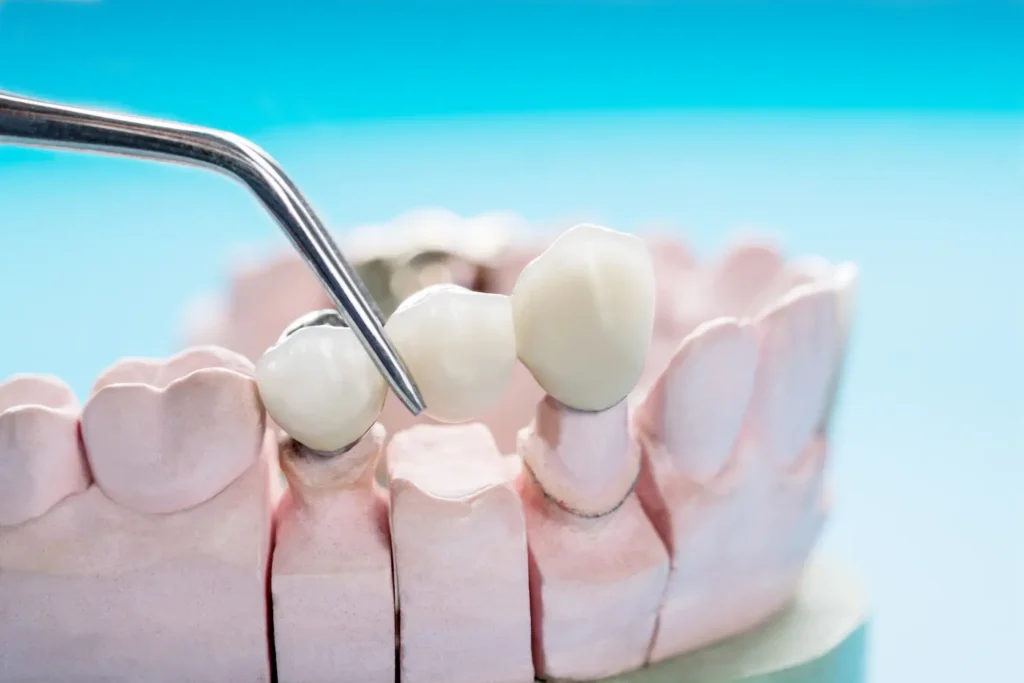
Dental bridges are custom-made restorations used to replace one or more missing teeth by filling the gap with an artificial tooth that is supported by the teeth or implants on either side. They help restore the appearance of the smile while also improving chewing, speech, and the overall balance of the bite. A dental bridge can be a practical and natural-looking option for replacing missing teeth and helping to maintain the position of the surrounding teeth.
Replacing One or More Missing Teeth
A dental bridge is often needed when a patient has lost one or more teeth and wants to restore the gap with a fixed solution. Replacing missing teeth can improve the appearance of the smile while also supporting everyday comfort and function. It also helps distribute biting pressure more evenly across the mouth.
Difficulty Chewing or Speaking
Missing teeth can make it harder to chew certain foods properly and may also affect the way words are pronounced. In these situations, a dental bridge can help restore normal function and make daily activities feel more comfortable. By filling the space, it supports a more balanced and effective bite.
Preventing Teeth from Shifting
When a tooth is lost, the surrounding teeth can gradually move into the empty space over time. This movement may lead to changes in alignment, bite issues, and areas that are harder to clean properly. A dental bridge helps maintain the position of nearby teeth and supports better long-term oral health.
Improving Smile Appearance and Balance
A noticeable gap from a missing tooth can affect the overall appearance and symmetry of the smile. A dental bridge may be recommended when restoring confidence and facial balance is an important part of treatment. It creates a natural-looking result while also helping the mouth function more normally.
When are dental bridges needed?
Candidates for Bridges
Dental bridges are needed when one or more missing teeth need to be replaced to restore function, appearance, and bite stability. They are commonly recommended when a gap in the smile is affecting chewing, speech, or confidence, and when the surrounding teeth are healthy enough to support the restoration. A bridge may also be suitable for preventing nearby teeth from shifting out of place after tooth loss, helping to maintain better alignment and long-term oral health.

Book Your Appointment
Not sure where to start with your smile? We offer free cosmetic consultations
Step 1
Step 2
Step 3
Step 4
Examination and Treatment Planning
Preparation of Supporting Teeth
Impressions or Digital Scans
Fitting the Final Bridge
The process begins with a dental assessment to examine the gap, check the surrounding teeth, and determine whether a dental bridge is the right solution.
The teeth on either side of the gap are carefully prepared so they can support the bridge securely and comfortably.
Impressions or digital scans are taken to create a custom dental bridge that is designed to fit naturally with your bite and smile.
Once the bridge is ready, it is fitted and adjusted as needed before being securely placed to restore function, appearance, and stability.
What's the process of getting a dental bridge?
The Process
The process of getting a dental bridge usually begins with an examination to assess the missing tooth area and the health of the supporting teeth. The neighbouring teeth are then prepared, and impressions or digital scans are taken so a custom bridge can be made to fit comfortably and look natural. Once ready, the bridge is carefully fitted and secured in place to restore the gap, improve function, and create a more complete smile.
Examination and Treatment Planning
The process begins with a dental assessment to examine the gap, check the surrounding teeth, and determine whether a dental bridge is the right solution
Preparation of Supporting Teeth
The teeth on either side of the gap are carefully prepared so they can support the bridge securely and comfortably.
Impressions or Digital Scans
Impressions or digital scans are taken to create a custom dental bridge that is designed to fit naturally with your bite and smile.
Fitting the Final Bridge
Once the bridge is ready, it is fitted and adjusted as needed before being securely placed to restore function, appearance, and stability.
POPULAR SERVICES WE OFFER
Our Treatments
Check Up & Cleans
Keep your smile healthy with a regular check-up and clean at Anzac Avenue Dental. We recommend coming in every six months.
General Dentistry
When a tooth is damaged, decayed, or broken, restorative treatment can get it back to full function. We offer fillings, crowns, bridges, and root canal treatment to repair the tooth.
Children's Dentistry
Children’s dentistry is all about building healthy habits early, helping little smiles grow strong with gentle, friendly care that keeps kids calm and confident at every visit.
Dental Implants
Dental implants are the gold standard for a permanent, natural-looking replacement. At Anzac Avenue Dental, we’ll have you smiling with confidence again.
Veneers
Veneers are a simple way to completely transform your smile, covering imperfections with thin, custom-made shells for a flawless, natural-looking result.
Clear Aligners
Straighten your teeth without the metal brackets. Clear removable aligners gradually shift your teeth into place without anyone even noticing.
Teeth Whitening
Teeth whitening is one of the fastest ways to refresh your smile, using professional-grade treatment to safely lift stains and reveal a brighter, more confident you.
TMJ Pain
Jaw pain, clicking, or frequent headaches can all be signs of a TMJ problem. We can assess what’s going on and recommend treatment options that may help reduce discomfort and protect your teeth.
Snoring & Sleep Apnoea
Snoring and sleep apnoea can affect your health and the sleep of everyone around you. Dental appliances are one option that may help by keeping the airway open during sleep.
IV Sedation & General Anaesthetic
Sleep Dentistry

If fear or anxiety has been keeping you out of the dentist’s chair, sleep dentistry may be worth considering. Using IV sedation or general anaesthetic, we can carry out a wide range of treatments, from routine check-ups through to more complex procedures, while you rest comfortably. For many patients, it makes dental care feel manageable again.
Payment Plans
At Anzac Avenue Dental, we know dental treatment doesn’t always fit neatly into your budget, so we offer a range of flexible payment plan options to make it easier.

FAQ's
What is a dental bridge?
A dental bridge is a fixed dental restoration used to replace one or more missing teeth. It works by filling the gap with an artificial tooth that is supported by the natural teeth or dental implants on either side. This helps restore both the appearance and function of the smile.
When is a dental bridge needed?
A dental bridge may be recommended when one or more teeth are missing and the gap is affecting chewing, speech, or the balance of the bite. It can also help prevent surrounding teeth from shifting out of place over time. Replacing missing teeth early can support better long-term oral health.
How does a dental bridge stay in place?
A traditional dental bridge is held in place by the teeth on either side of the missing tooth, which act as supports for the restoration. In some cases, a bridge may also be attached to dental implants instead of natural teeth. The final result is designed to feel stable, secure, and natural in the mouth.
What is the difference between a dental bridge and a dental implant?
A dental bridge replaces a missing tooth by using support from nearby teeth or implants, while a dental implant replaces the tooth root itself with a titanium post placed in the jawbone. Both options can restore missing teeth, but the most suitable treatment depends on your oral health, bone support, and treatment goals. Your dentist can recommend the best option for your individual needs.
How long does a dental bridge last?
The lifespan of a dental bridge can vary depending on the type of bridge, oral hygiene habits, and the health of the supporting teeth or implants. With proper care and regular dental check-ups, many dental bridges can last for 10-20 years. Good maintenance is important for protecting both the bridge and the surrounding teeth.
How do I care for a dental bridge?
Looking after a dental bridge involves brushing twice a day, cleaning around the bridge carefully, and attending regular dental visits. Special cleaning tools may also be recommended to help keep the area underneath and around the bridge free from plaque. Good oral hygiene plays an important role in maintaining the health of the bridge and supporting teeth.