

What is it?
Orofacial Myology
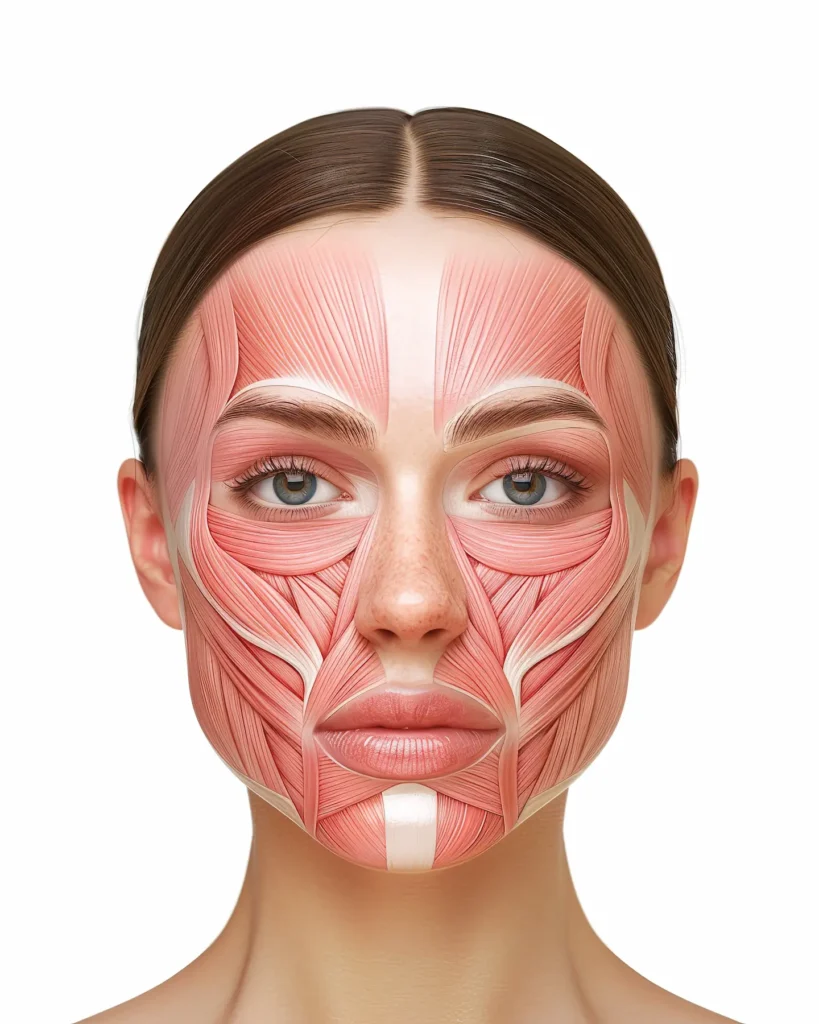
Many things shape how our head, face and mouth develop and function. Genetics plays a role, but so do the habits we form, the structures we use every day, and how all of those things interact with each other. When these influences lead to problems, it’s called an Orofacial Myofunctional Disorder (OMD).
Orofacial myology is the treatment of OMDs through specific exercises and techniques. The aim is to train the muscles of the face and mouth to work the way they’re supposed to, building strength and improving position to support healthy development, form and function.
It’s relevant at every age. Young mouths that are still growing often respond fastest, but adults can benefit too. It’s never too late to address long-held habits with the right support.
What Are Orofacial Myology Treatments?
What issues can orofacial myology cause?
OMDs can affect far more than just teeth. Left unaddressed, they can have a flow-on effect across breathing, sleep, speech, posture and general health. Here’s a breakdown of the areas that can be impacted.
Teeth & Jaw
- Crowded or misaligned teeth
- Incorrect jaw position and size
- Narrow or vaulted palate
- Open bite (upper and lower teeth don't meet)
- Cross bite (lower teeth sit in front of upper)
- Jaw joint pain and wear
- Higher risk of tooth decay
Breathing & Airways
- Chronic mouth breathing
- Restricted or narrowed airways
- Swollen tonsils and adenoids
- Snoring
- Sleep-disordered breathing
- Obstructive sleep apnoea
Tongue & Swallowing
- Incorrect tongue posture at rest
- Abnormal tongue thrust when swallowing
- Drooling
- Problems with speech
- Destructive chewing patterns
Sleep & Wellbeing
- Disrupted or poor-quality sleep
- Difficulty concentrating
- Mood changes
- Hyperactivity or excessive daytime tiredness
- Impact on general and mental health
Facial Development
- Asymmetrical facial appearance
- Changes to the appearance of the lips
- General posture problems
- Social and self-esteem concerns
Grinding & Clenching
- Grinding during sleep
- Clenching habits
- Broken or worn-down teeth
- Tooth pain or sensitivity
Understanding the causes
What can cause Orofacial Myofunctional Disorders?
OMDs can develop for a range of reasons. Some relate to habits that can be changed with the right support. Others involve anatomy or underlying health conditions. Identifying the cause is the first step towards treatment.
Early Oral Objects
Anything that enters the mouth after birth influences how the structures inside develop. Bottles, dummies, nipples and sippy cups can all affect the shape of the palate and the way the mouth functions over time.
Food Texture & Chewing
The texture of what we eat matters more than most people realise. Soft foods require little chewing, which doesn't give the craniofacial structures much of a workout. Firmer foods encourage proper use and support better development.
Noxious Oral Habits
Thumb or finger sucking, nail biting, chewing on clothing or blankets, sucking on lips and cheeks, and chewing on pens or other objects can all disrupt how the mouth develops and functions.
Mouth Breathing
We're designed to breathe through the nose, which warms, humidifies and filters the air before it reaches the lungs. The mouth is a backup system. Chronic mouth breathing bypasses these benefits and has a significant negative impact on development and general health.
Airway Restrictions
Large tonsils, adenoids or polyps can obstruct the airway. The size and position of the upper and lower jaws also plays a role. Narrow or retracted jaws can compress the airway, making it harder to breathe properly during sleep.
Chronic Sinus Issues & Allergies
Ongoing sinus infections and allergies reduce the ability to breathe through the nose, which often leads to mouth breathing as a default. Addressing the underlying cause can make a meaningful difference to overall function.
Tethered Oral Tissues
Tongue ties and lip ties restrict movement from birth, creating difficulties with breastfeeding and affecting tongue posture, swallowing and speech throughout life.
Nerve & Muscle Conditions
Health conditions affecting the facial nerves and muscles, including stroke, facial trauma, Bell's Palsy and Cerebral Palsy, can contribute to orofacial myofunctional issues.
Book Your Appointment
Not sure where to start with your smile? We offer free cosmetic consultations
Tailored support for children
Thumb Sucking Program
Thumb and finger sucking is one of the most common habits in young children, and for many kids it stops naturally before any lasting harm is done. When the habit continues past the age of four or five, though, it can start to have a real impact on how the teeth, jaw and palate develop.
Prolonged thumb sucking can push the upper front teeth forward, create an open bite where the front teeth don’t meet properly, narrow the palate, and affect the way the tongue rests and functions. The longer it continues, the harder the effects can be to reverse, which is why earlier is generally better when it comes to getting help.
The thumb sucking program takes a positive, supportive approach. Rather than using shame or deterrents, the focus is on building awareness, understanding why the habit happens, and using practical techniques to help children work through it at a manageable pace.
Parents and carers are an important part of the process. Children who feel supported rather than pressured tend to make faster, more sustainable progress.
Signs the habit may need attention
- Your child is five or older and still sucking regularly
- The upper front teeth appear to be pushing forward
- There's a noticeable gap when the front teeth come together
- The palate looks narrow or high
- Speech sounds are being affected
- Your child is becoming self-conscious about the habit
- Previous attempts to stop haven't worked
Resources
For more information click on the links to read the fact sheets below:
POPULAR SERVICES WE OFFER
Our Treatments
Check Up & Cleans
Keep your smile healthy with a regular check-up and clean at Anzac Avenue Dental. We recommend coming in every six months.
General Dentistry
When a tooth is damaged, decayed, or broken, restorative treatment can get it back to full function. We offer fillings, crowns, bridges, and root canal treatment to repair the tooth.
Children's Dentistry
Children’s dentistry is all about building healthy habits early, helping little smiles grow strong with gentle, friendly care that keeps kids calm and confident at every visit.
Dental Implants
Dental implants are the gold standard for a permanent, natural-looking replacement. At Anzac Avenue Dental, we’ll have you smiling with confidence again.
Veneers
Veneers are a simple way to completely transform your smile, covering imperfections with thin, custom-made shells for a flawless, natural-looking result.
Clear Aligners
Straighten your teeth without the metal brackets. Clear removable aligners gradually shift your teeth into place without anyone even noticing.
Teeth Whitening
Teeth whitening is one of the fastest ways to refresh your smile, using professional-grade treatment to safely lift stains and reveal a brighter, more confident you.
TMJ Pain
Jaw pain, clicking, or frequent headaches can all be signs of a TMJ problem. We can assess what’s going on and recommend treatment options that may help reduce discomfort and protect your teeth.
Snoring & Sleep Apnoea
Snoring and sleep apnoea can affect your health and the sleep of everyone around you. Dental appliances are one option that may help by keeping the airway open during sleep.
Payment Plans
At Anzac Avenue Dental, we know dental treatment doesn’t always fit neatly into your budget, so we offer a range of flexible payment plan options to make it easier.

FAQ's
What age can orofacial myology treatment start?
Orofacial myology is suitable for children and adults. Younger mouths that are still growing tend to respond well because the structures are more adaptable. Adults can also achieve meaningful results, though changing well-established habits generally requires more consistency and patience. The key factor at any age is commitment to the daily exercises.
How long does the program take?
Most programs run for 8 to 14 visits depending on the individual’s needs. Appointments start weekly and reduce in frequency as progress is made. Home exercises take around 3 to 5 minutes per session and are typically done 2 to 3 times each day.
Can orofacial myology help with sleep problems?
Orofacial myology addresses the muscle function and posture issues that can contribute to airway problems, including sleep-disordered breathing. It is often recommended as part of a broader approach to managing snoring and obstructive sleep apnoea, particularly in children where habits and jaw development are still changing.
My child still sucks their thumb. When should I be concerned?
Many children stop naturally before the age of four or five with no lasting damage. If the habit is continuing past this age, or if you’re noticing changes to the teeth or bite, it’s worth getting an assessment. Earlier intervention generally means more options and a simpler path forward.
Is orofacial myology different from speech therapy?
They’re related but distinct. Speech therapy focuses on communication and language. Orofacial myology focuses specifically on the muscles of the tongue, lips and face and how they function in relation to dental, jaw, airway and posture health. The two can complement each other, and depending on the patient’s needs, a myologist may work alongside a speech therapist.
What is tongue posture and why does it matter?
Correct tongue posture means the tongue rests at the top of the mouth, gently touching the palate just behind the upper front teeth. This position supports proper development of the upper jaw and helps keep the airway clear. When the tongue rests on the floor of the mouth or presses against the front teeth instead, it can affect jaw shape, bite, breathing and overall facial development over time.
Will my child need braces if they have an OMD?
Not necessarily. Orofacial myology treatment can sometimes reduce the need for orthodontic work by addressing problems early, or it can help make the results of orthodontic treatment more stable by correcting the underlying muscle habits that may have caused the problem in the first place. Your dentist and myologist can discuss this with you based on your child’s situation.