


What is a TMJ Treatment?
TMJ Treatment
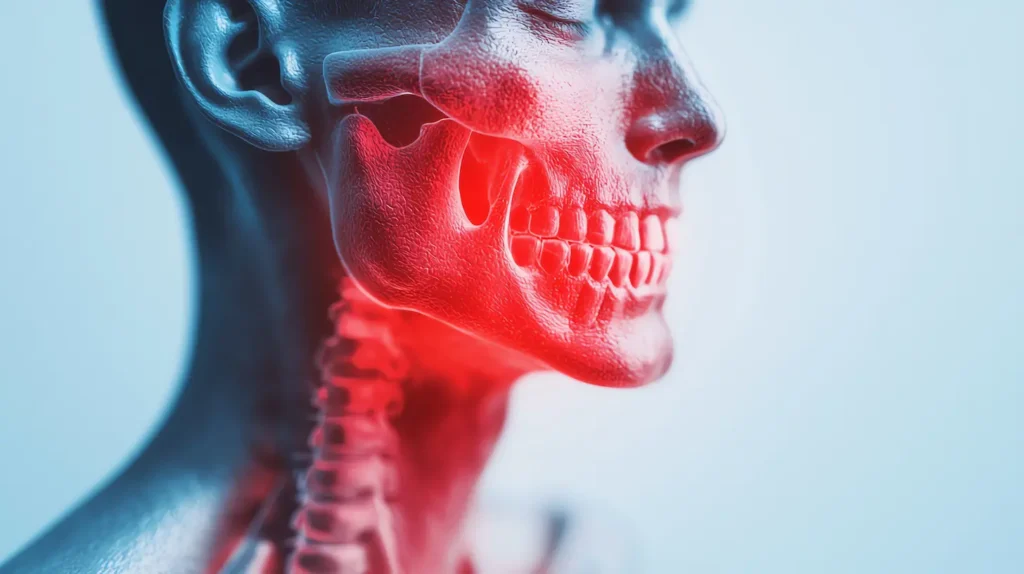
TMJ treatment can include several options depending on the cause of the symptoms and how the jaw joints and muscles are being affected. Common treatments may include custom night guards to help reduce pressure from clenching and grinding, as well as Botox to relax overactive jaw muscles and ease tension, discomfort, and associated headaches. In some cases, treatment may also involve bite assessment, jaw care advice, and other supportive strategies to improve comfort, function, and long-term jaw health.
Book Your Appointment
Not sure where to start with your smile? We offer free cosmetic consultations

Jaw Pain and Tension
TMJ treatment can help when ongoing jaw pain, tightness, or muscle tension starts to affect daily comfort. These symptoms are often linked to strain in the jaw joints or surrounding muscles. Treatment may help reduce pressure and improve the way the jaw feels and functions.
Teeth Grinding and Clenching
Frequent clenching or grinding can place excessive stress on the jaw and surrounding muscles, especially during sleep. Over time, this can contribute to soreness, headaches, and tooth wear. Treatments such as custom night guards and Botox may help relieve this tension and protect the teeth.
Clicking, Popping, or Limited Jaw Movement
When the jaw clicks, pops, locks, or does not open and close comfortably, it may be a sign that the joint is not functioning as it should. These issues can make eating and speaking less comfortable and may worsen over time. TMJ treatment can help support better jaw movement and reduce strain on the joint.
Headaches and Facial Discomfort
TMJ problems can sometimes cause recurring headaches, facial pain, or discomfort around the temples and cheeks. This often happens when overworked jaw muscles are contributing to tension throughout the face and head. Targeted treatment can help ease these symptoms and improve overall comfort.
When is TMJ treatment needed?
Candidates for TMJ Treatment
TMJ treatment may be needed when jaw pain, muscle tension, clicking or popping, headaches, teeth grinding, or difficulty opening and closing the mouth are becoming persistent or uncomfortable. It is often worth looking into when symptoms begin to affect eating, speaking, sleeping, or daily comfort, especially if clenching or grinding is placing ongoing strain on the jaw joints and surrounding muscles. In these cases, options such as custom night guards and Botox may help reduce pressure, relieve tension, and improve overall jaw function.
POPULAR SERVICES WE OFFER
Our Treatments
Check Up & Cleans
Keep your smile healthy with a regular check-up and clean at Anzac Avenue Dental. We recommend coming in every six months.
General Dentistry
When a tooth is damaged, decayed, or broken, restorative treatment can get it back to full function. We offer fillings, crowns, bridges, and root canal treatment to repair the tooth.
Children's Dentistry
Children’s dentistry is all about building healthy habits early, helping little smiles grow strong with gentle, friendly care that keeps kids calm and confident at every visit.
Dental Implants
Dental implants are the gold standard for a permanent, natural-looking replacement. At Anzac Avenue Dental, we’ll have you smiling with confidence again.
Veneers
Veneers are a simple way to completely transform your smile, covering imperfections with thin, custom-made shells for a flawless, natural-looking result.
Clear Aligners
Straighten your teeth without the metal brackets. Clear removable aligners gradually shift your teeth into place without anyone even noticing.
Teeth Whitening
Teeth whitening is one of the fastest ways to refresh your smile, using professional-grade treatment to safely lift stains and reveal a brighter, more confident you.
TMJ Pain
Jaw pain, clicking, or frequent headaches can all be signs of a TMJ problem. We can assess what’s going on and recommend treatment options that may help reduce discomfort and protect your teeth.
Snoring & Sleep Apnoea
Snoring and sleep apnoea can affect your health and the sleep of everyone around you. Dental appliances are one option that may help by keeping the airway open during sleep.
IV Sedation & General Anaesthetic
Sleep Dentistry
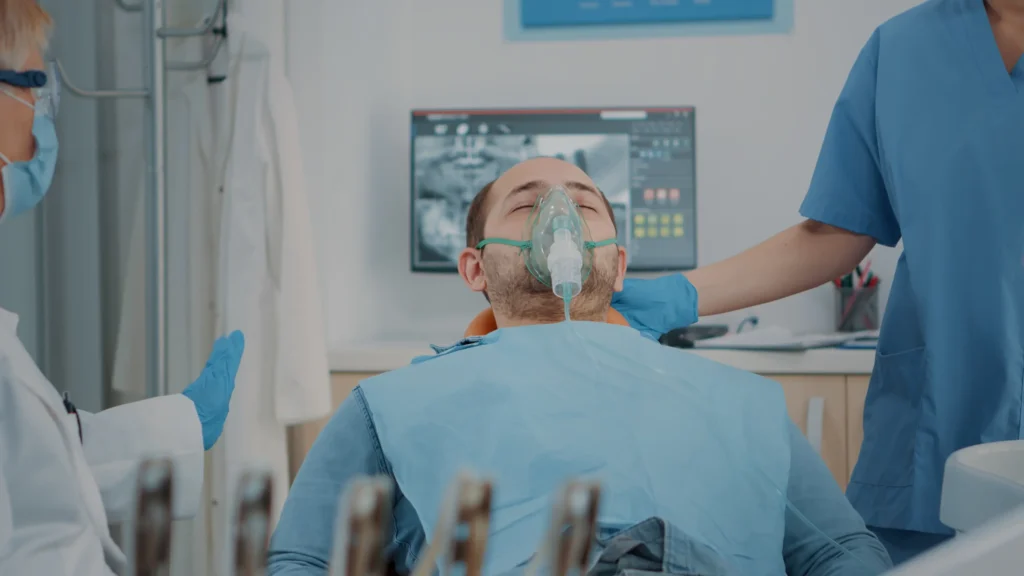
If fear or anxiety has been keeping you out of the dentist’s chair, sleep dentistry may be worth considering. Using IV sedation or general anaesthetic, we can carry out a wide range of treatments, from routine check-ups through to more complex procedures, while you rest comfortably. For many patients, it makes dental care feel manageable again.
Payment Plans
At Anzac Avenue Dental, we know dental treatment doesn’t always fit neatly into your budget, so we offer a range of flexible payment plan options to make it easier.

FAQ's
What is TMJ treatment?
TMJ treatment focuses on relieving pain, tension, and dysfunction affecting the jaw joints and surrounding muscles. It may involve different approaches depending on the cause of the symptoms, including custom night guards, Botox, and other supportive care.
What are the signs that I might need TMJ treatment?
Common signs can include jaw pain, clicking or popping, muscle tightness, headaches, facial discomfort, teeth grinding, or difficulty opening and closing the mouth properly. If these symptoms are ongoing or affecting daily comfort, it may be time to have your jaw assessed.
Can TMJ treatment help with jaw pain and tension?
Yes, TMJ treatment may help reduce jaw soreness, muscle strain, and ongoing tension in the face and jaw area. By addressing the source of the pressure, treatment can improve comfort and support better jaw function.
How do night guards help with TMJ problems?
Night guards help by creating a barrier between your upper and lower teeth, so clenching and grinding puts less direct pressure on your jaw joints and muscles. This can ease morning soreness, protect your teeth from wear, and in some cases reduce TMJ-related headaches. They’re custom-fitted for comfort and are often used alongside other TMJ treatment options.
Can Botox be used for TMJ treatment?
Botox may be used as part of TMJ treatment to relax overactive jaw muscles and reduce tension caused by clenching or grinding. For some patients, this can help relieve discomfort, decrease headaches, and improve overall jaw comfort.
What causes TMJ symptoms?
TMJ symptoms can be linked to teeth grinding, jaw clenching, stress, bite issues, muscle tension, or strain on the jaw joints. In some cases, several factors may be contributing at the same time, which is why a proper assessment is important.