


Porcelain & composite veneers
A natural-looking smile, designed around you
Dental veneers are thin, custom-made shells bonded to the front of your teeth to improve their colour, shape and size. At Anzac Avenue Dental in Kallangur, we offer both porcelain veneers and composite veneers, and we'll help you choose the option that suits your teeth, your goals and your budget.
Veneers can often be finished in a couple of visits. It starts with a free cosmetic consultation, where we look at your smile, talk through what's realistic and check your teeth and gums are healthy enough for veneers.
What can veneers help with?
Some stains go deeper than whitening can reach, from medications, food and drink or years of wear. Veneers cover the discolouration with an even, natural shade.
A thin veneer rebuilds the edge and shape of a damaged tooth, without the need for more invasive treatment.
Not everyone wants braces to close a small gap. Veneers can subtly widen the teeth either side to bring your smile together.
Teeth that are small, short or an unusual shape can be built up to a size and length that suits the rest of your smile and your face.
For teeth that are only slightly out of line, veneers can give the look of a straighter smile. For bigger bite or spacing problems, we may suggest clear aligners first.
 Custom made for your smile
Made in a lab to fit your teeth. Stain resistant with a lifelike finish.
Shaped directly on the tooth, often in one visit. A more budget-friendly option.

Porcelain Veneers, Composite Veneers, Smile Makeovers, Cosmetic Dentistry
Book your free consultation
Thinking about veneers? Come in and talk through porcelain and composite options, and what would suit your smile.
Types of dental veneers
Porcelain or composite: which suits you?
Both types of veneers can improve the colour and shape of your teeth. The main differences are how they're made, how long they tend to last and the upfront cost. We'll help you weigh them up at your consultation.
Made in a labPorcelain veneers
Ultra-thin ceramic shells, custom made in a dental lab to fit the front of your teeth. Porcelain reflects light much like natural enamel, giving a lifelike, translucent finish that resists staining.
Often a good fit for
- Bigger changes to colour, shape or size
- Deep stains that whitening can't shift
- A long-lasting, low-maintenance finish
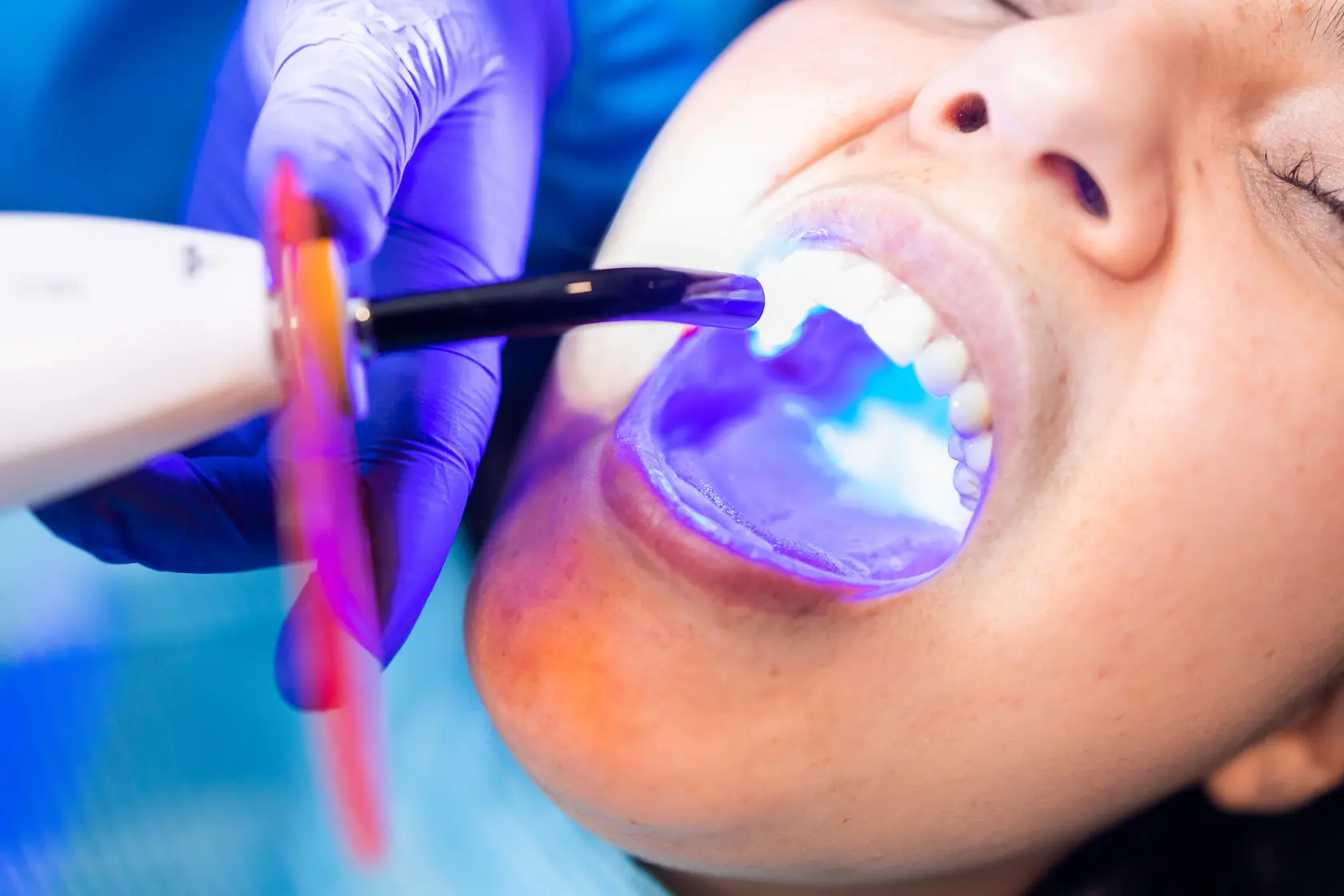 Shaped in the chair
Composite veneers
Tooth-coloured resin that your dentist shapes directly onto your teeth, then sets with a curing light. Often done in a single visit and a more budget-friendly way to improve your smile.
Often a good fit for
- Small chips, gaps and uneven edges
- Mild discolouration
- A quicker, more affordable option
Porcelain vs composite veneers
Composite- Typical lifespan
- Porcelain: Often 10 to 15+ years
- Composite: Often 5 to 7 years
- Stain resistance
- Porcelain: Highly resistant
- Composite: Can stain over time
- Visits needed
- Porcelain: Usually 2 or more
- Composite: Often just 1
- Upfront cost
- Porcelain: Higher
- Composite: Lower
- Tooth preparation
- Porcelain: A thin layer of enamel may be reshaped
- Composite: Often little or no reshaping
- If it chips
- Porcelain: Usually replaced
- Composite: Can often be repaired in the chair
How long veneers last depends on your oral hygiene, your bite and habits like teeth grinding or drinking tea, coffee and red wine. Your dentist will recommend the right option after looking at your teeth.
Fees and payment plans
Spread the cost of your treatment
Dental care doesn't always fit neatly into a budget. You'll get a written fee estimate before we start, and you can choose a way to pay that suits you.
- Payment plansNational Dental Plan, Smile Right and TLC
- Pay in 4Afterpay, in fortnightly instalments
- Use your superEarly release through the ATO
- Health fundsMost major funds, with HICAPS
- Also:
- Afterpay
- Humm
- HICAPS
Sleep dentistry and sedation
Nervous about the dentist?
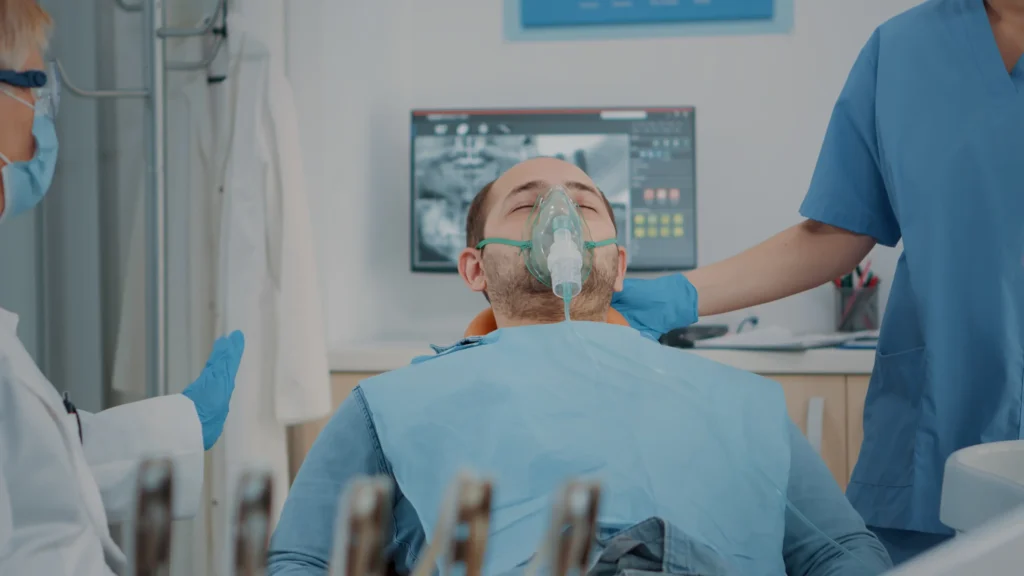
You're not alone, and you don't have to put off care. We offer sleep dentistry in Kallangur, so treatment like fillings, wisdom teeth or implants can feel calmer and more manageable. We'll talk through your health and your options first.
Sedation may suit you if you:
- Feel anxious or fearful about treatment
- Have had a difficult visit in the past
- Have a strong gag reflex
- Find it hard to get numb
- Have a fear of needles
- Need several or longer procedures
Our treatments
Care for every smile in the family
From check-ups to implants, most treatment is done here in Kallangur. Pick a treatment to learn how it works.
 Everyday care
Check-ups and cleans
A check-up and clean every six months helps us spot small problems early.Learn more →
 Repairs
General dentistry
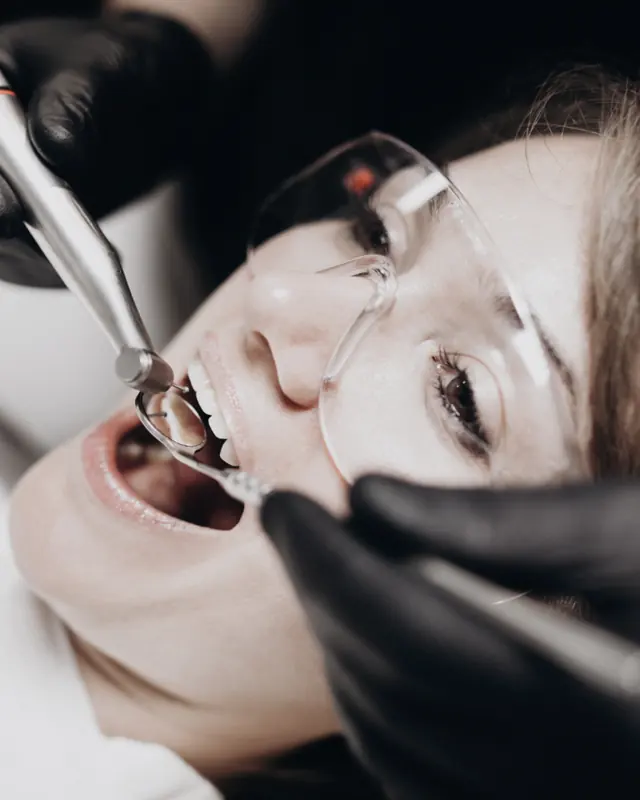
Fillings, crowns, bridges and root canal treatment to repair damaged or decayed teeth.Learn more →
 Kids
Children's dentistry
Gentle, unhurried visits that help kids feel at ease. CDBS for eligible children.Learn more →
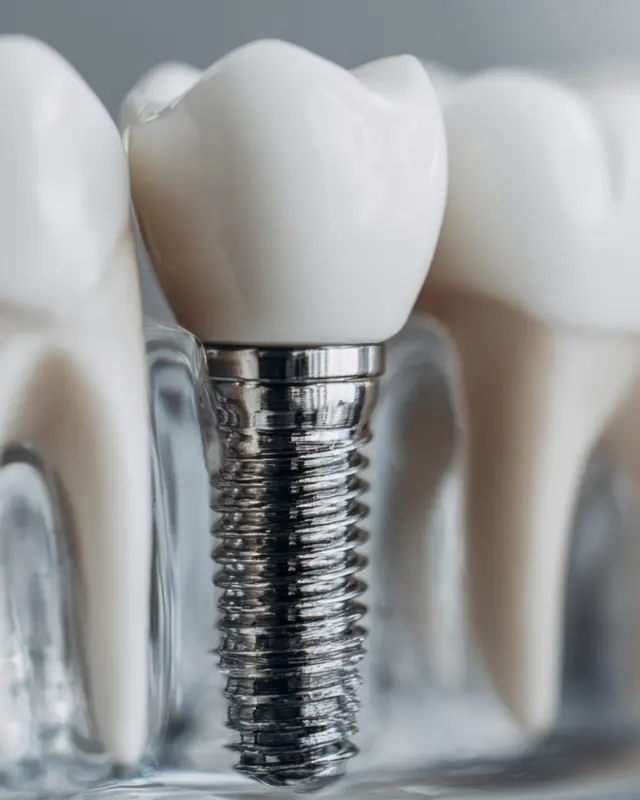 Missing teeth
Dental implants
A fixed option for replacing missing teeth. We'll talk through whether implants suit you.Learn more →
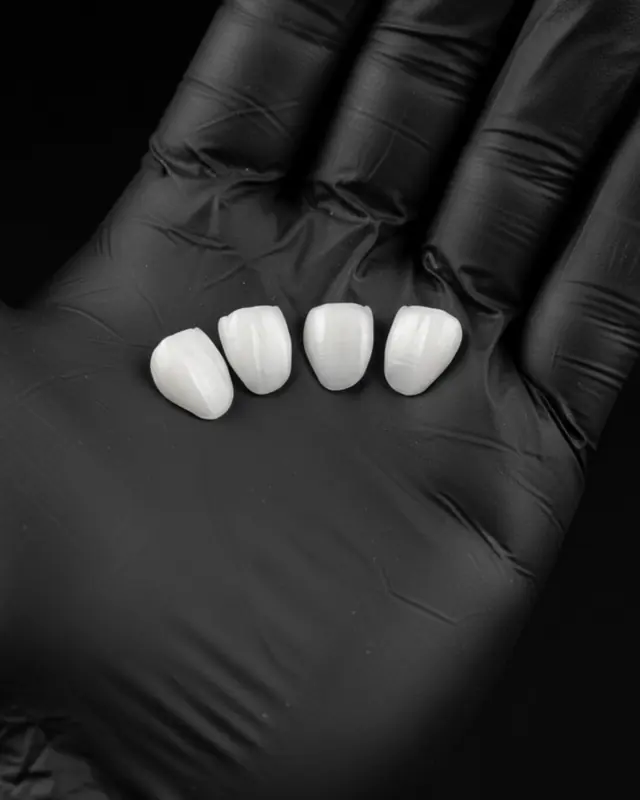 Cosmetic
Veneers
Thin porcelain or composite shells that change the shape or shade of front teeth.Learn more →
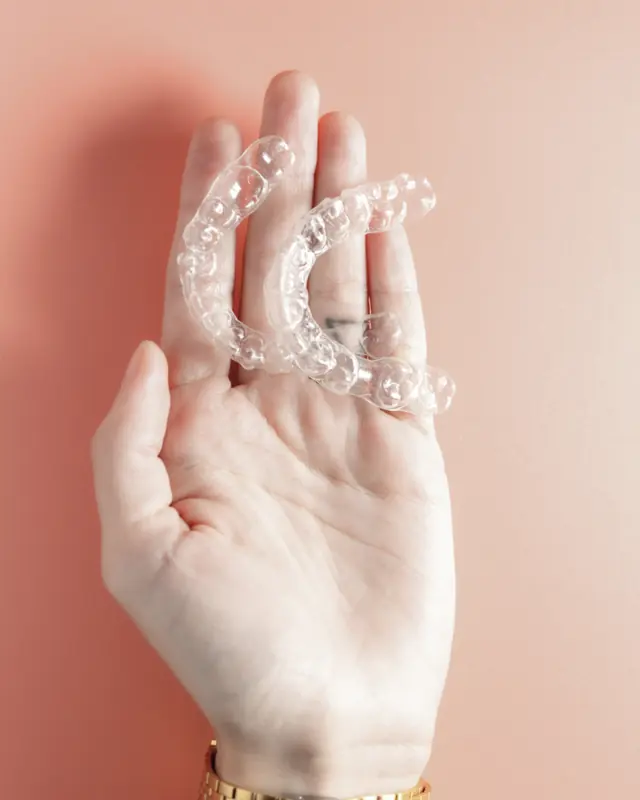 Straightening
Clear aligners
Removable clear aligners that move teeth gradually, without metal brackets.Learn more →
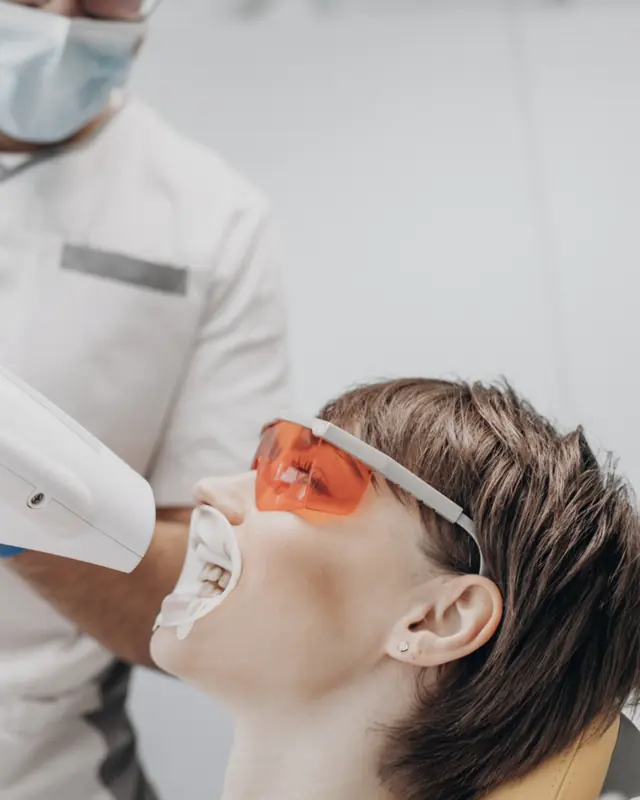 Cosmetic
Teeth whitening
Professional whitening to lift stains, planned around your teeth and any sensitivity.Learn more →
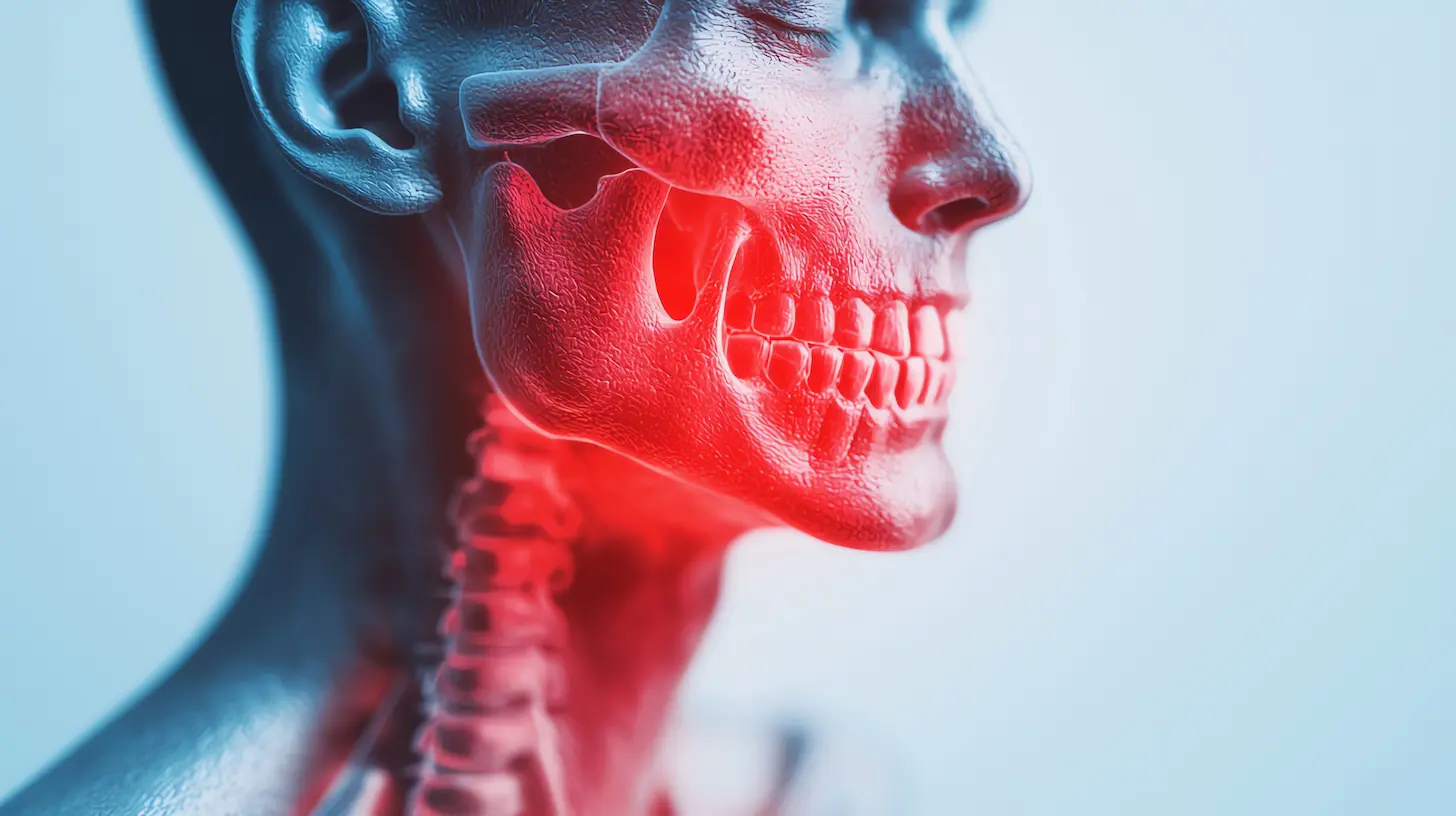 Jaw pain
TMJ treatment
Assessment and treatment options for jaw pain, clicking and related headaches.Learn more →
 Sleep
Snoring and sleep apnoea
Custom dental appliances that may help keep the airway open while you sleep.Learn more →