


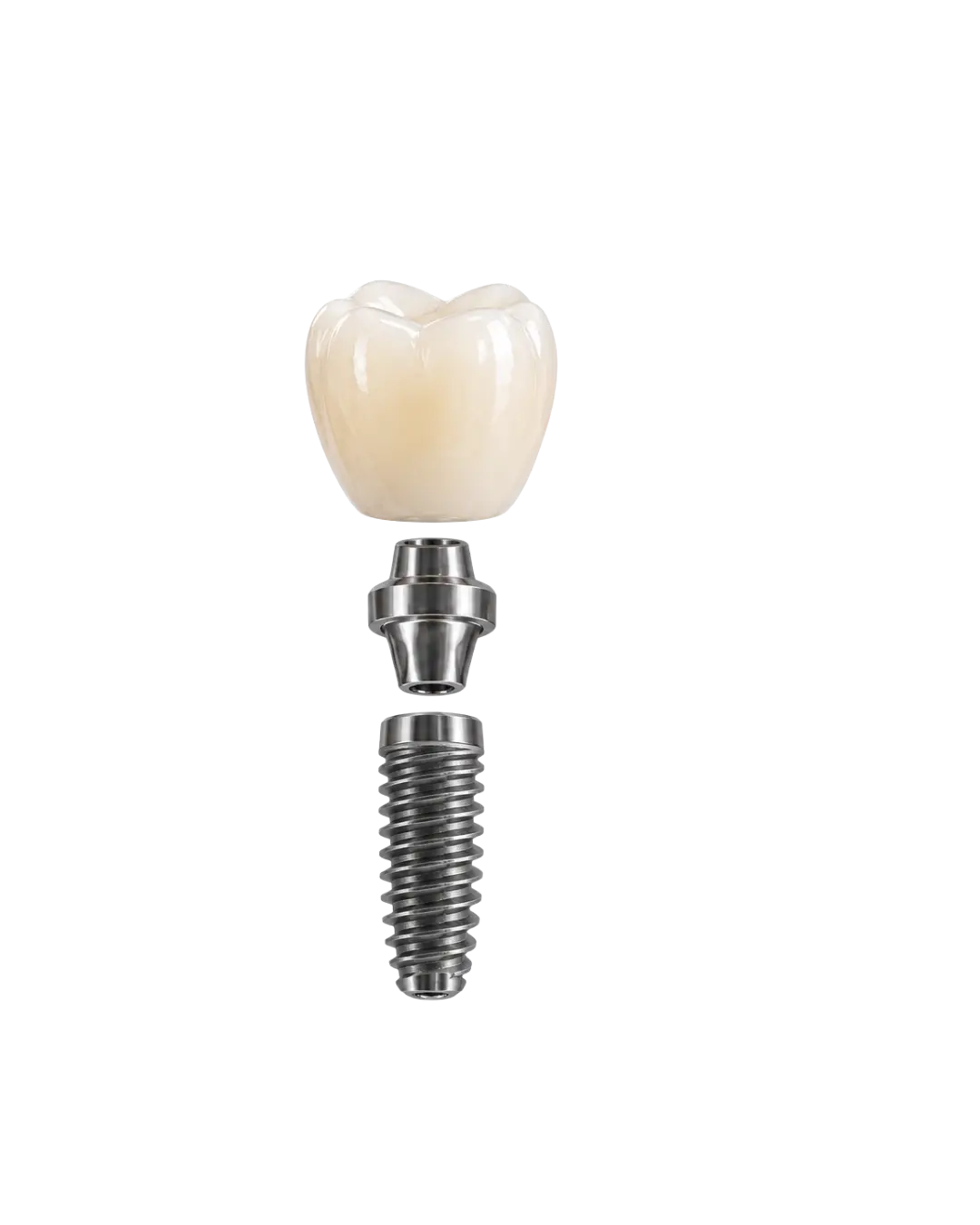
How a dental implant works
Three parts, one natural-looking tooth
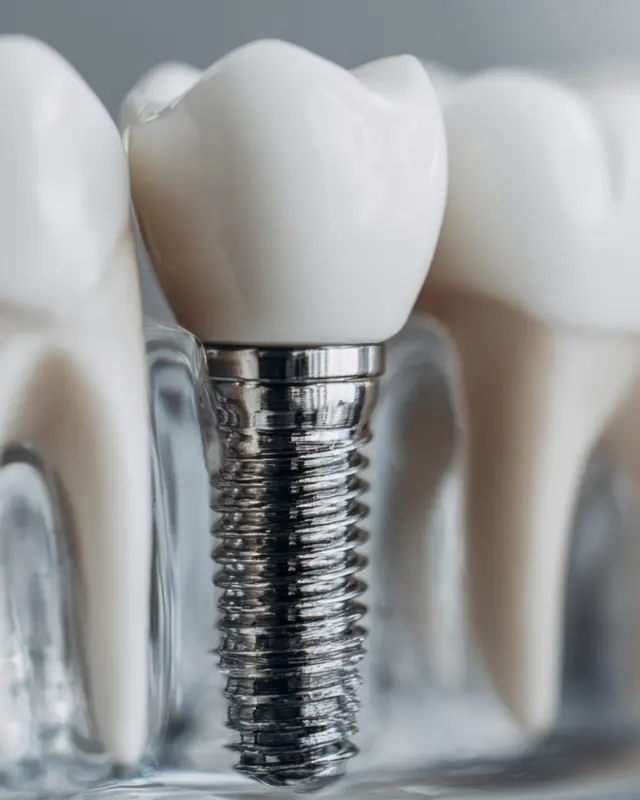
A dental implant replaces the whole tooth, from the root up. Each part has its own job, and together they give you a fixed tooth that looks and works like your own.
A custom-made tooth, shaped and shaded to blend in with your natural teeth. It's the part you bite and smile with.
A small connector that joins the crown to the implant. It sits just at the gum line, so it's hidden once your crown is fitted.
Placed into the jawbone, where the bone bonds with it over time. This creates a stable foundation for your new tooth and helps maintain the bone around it.
Missing more than one tooth? The same implants can hold an implant bridge, or a full arch of teeth with All-on-X implants.

Single Tooth Implants, Implant Bridges, All-on-X Implants, Smile Makeovers
Book your free consultation
Missing a tooth or a few? Come in and talk through your implant options, the timeline and what affects the cost.
Types of dental implants
One tooth, a few teeth, or a full arch
Dental implants can replace one tooth, several teeth or an entire arch. We'll recommend the option that suits your mouth, your bone support and your goals.
 Replaces one tooth
Single tooth implants
Replace a missing tooth with a natural-looking crown on its own implant. It restores your smile and bite without needing to reshape the teeth on either side.
- One implant, one crown
- Shaded to match your natural teeth
- Cleaned and flossed like a natural tooth
 Replaces several teeth
Implant bridges
Replace several missing teeth at once with a bridge anchored on dental implants. It gives you a natural look, restores your bite and helps protect the surrounding teeth.
- A few implants can hold several teeth
- Fixed in place, not removable
- Nothing is attached to your natural teeth
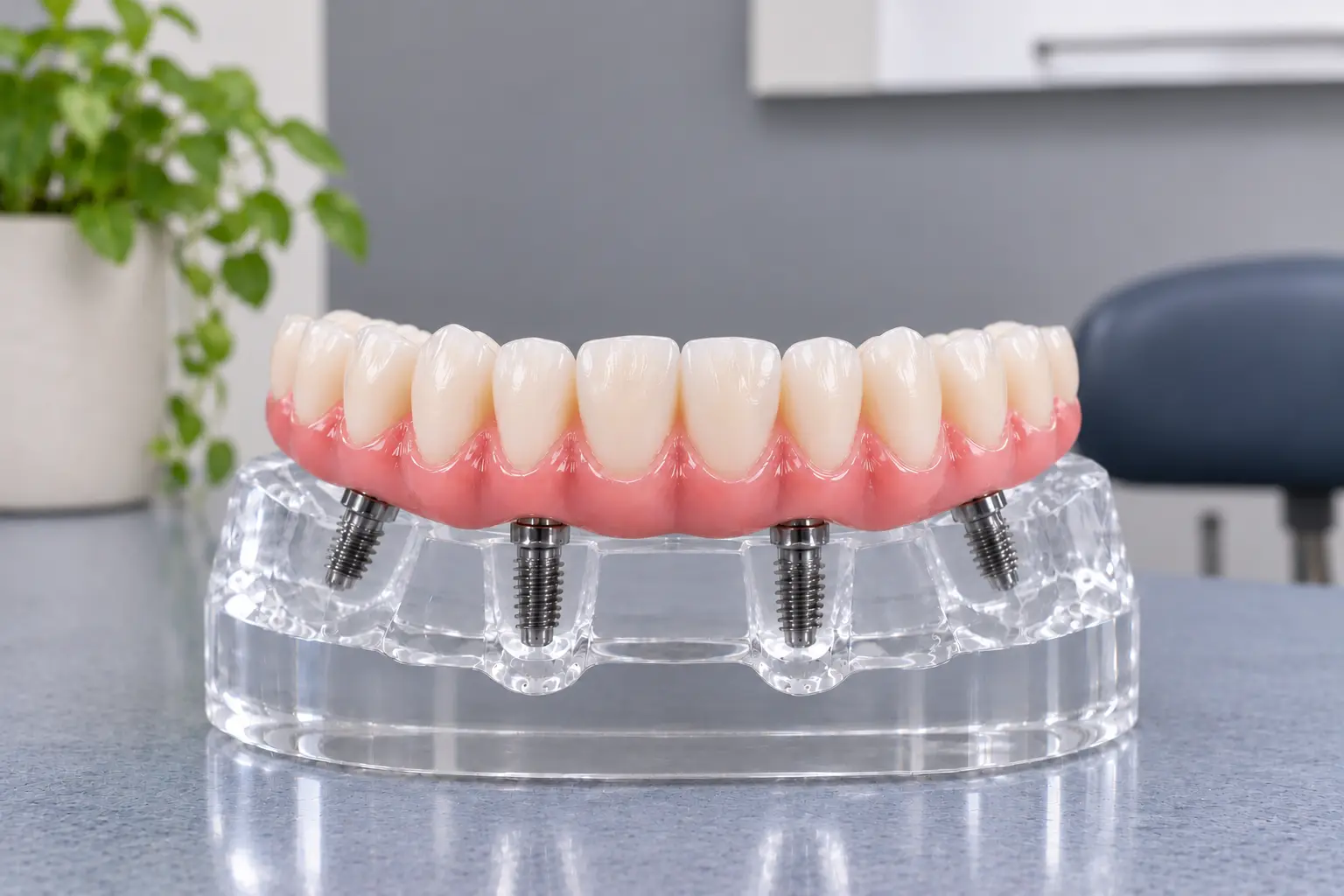
All-on-X implants
Missing most or all of your teeth, or tired of loose dentures? All-on-X replaces a full upper or lower arch with a fixed set of teeth held on a small number of implants.
- Upper, lower or both
- Fixed, not removable
- Sedation available
Not sure which option is right for you? We'll talk you through the options, risks and costs at your consultation.
Book a consultationSleep dentistry and sedation
Nervous about the dentist?
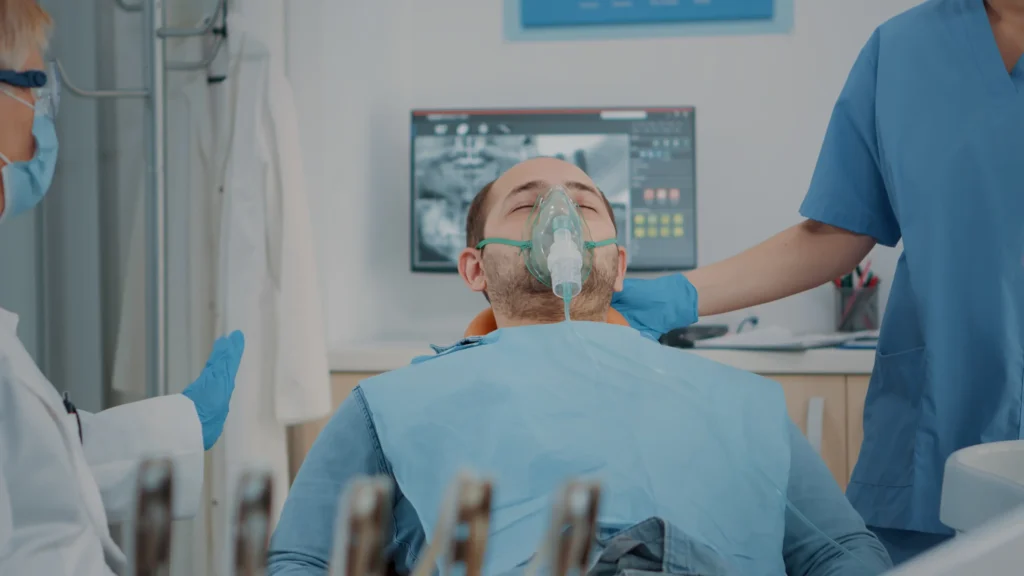
You're not alone, and you don't have to put off care. We offer sleep dentistry in Kallangur, so treatment like fillings, wisdom teeth or implants can feel calmer and more manageable. We'll talk through your health and your options first.
Sedation may suit you if you:
- Feel anxious or fearful about treatment
- Have had a difficult visit in the past
- Have a strong gag reflex
- Find it hard to get numb
- Have a fear of needles
- Need several or longer procedures
Fees and payment plans
Spread the cost of your treatment
Dental care doesn't always fit neatly into a budget. You'll get a written fee estimate before we start, and you can choose a way to pay that suits you.
- Payment plansNational Dental Plan, Smile Right and TLC
- Pay in 4Afterpay, in fortnightly instalments
- Use your superEarly release through the ATO
- Health fundsMost major funds, with HICAPS
- Also:
- Afterpay
- Humm
- HICAPS
Our treatments
Care for every smile in the family
From check-ups to implants, most treatment is done here in Kallangur. Pick a treatment to learn how it works.
 Everyday care
Check-ups and cleans
A check-up and clean every six months helps us spot small problems early.Learn more →
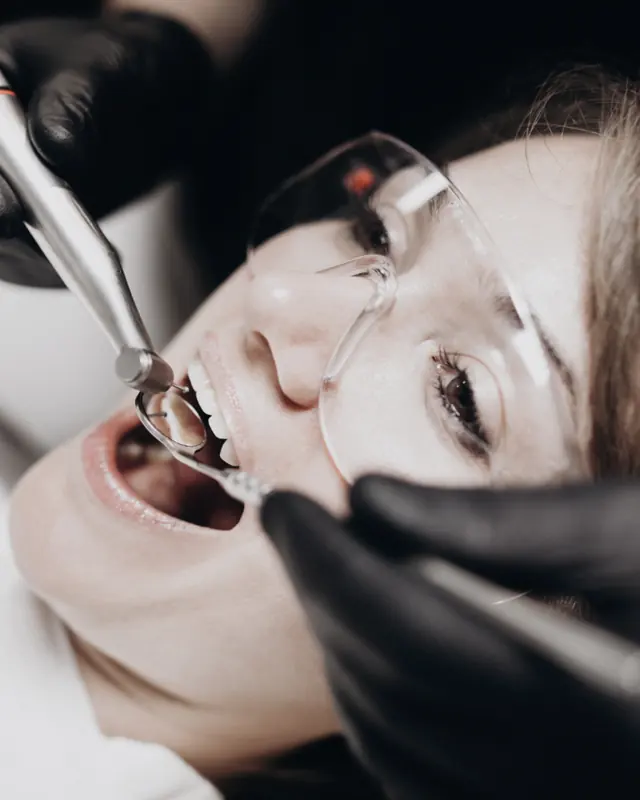 Repairs
General dentistry
Fillings, crowns, bridges and root canal treatment to repair damaged or decayed teeth.Learn more →
 Kids
Children's dentistry
Gentle, unhurried visits that help kids feel at ease. CDBS for eligible children.Learn more →
 Missing teeth
Dental implants
A fixed option for replacing missing teeth. We'll talk through whether implants suit you.Learn more →
 Cosmetic
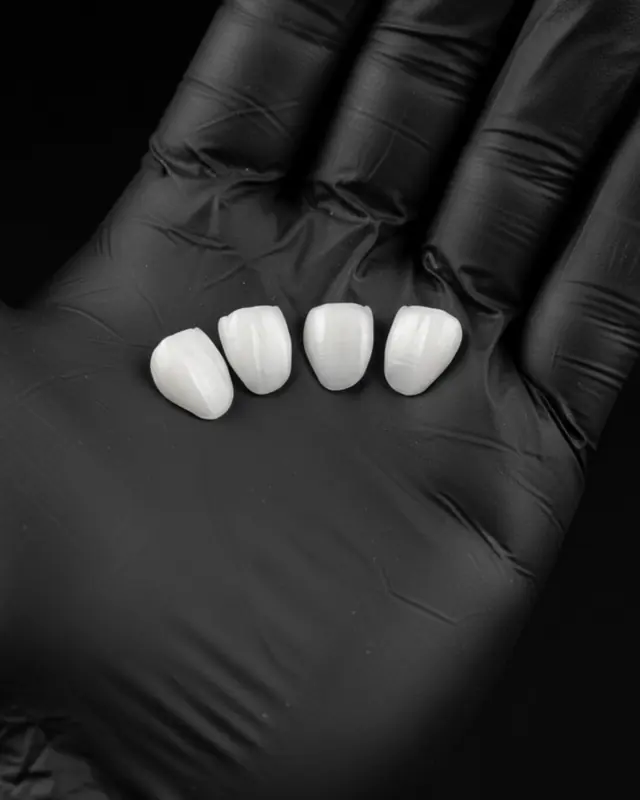
Veneers
Thin porcelain or composite shells that change the shape or shade of front teeth.Learn more →
 Straightening
Clear aligners
Removable clear aligners that move teeth gradually, without metal brackets.Learn more →
 Cosmetic
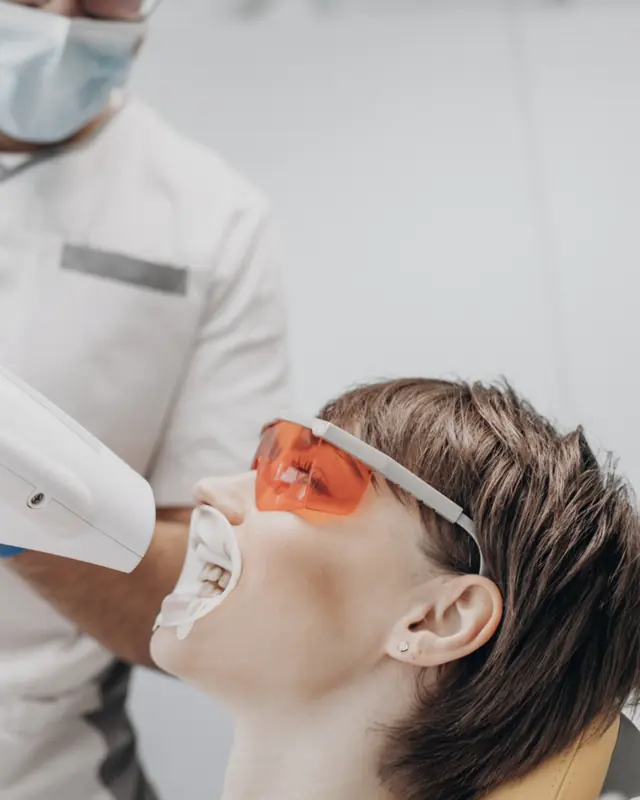
Teeth whitening
Professional whitening to lift stains, planned around your teeth and any sensitivity.Learn more →
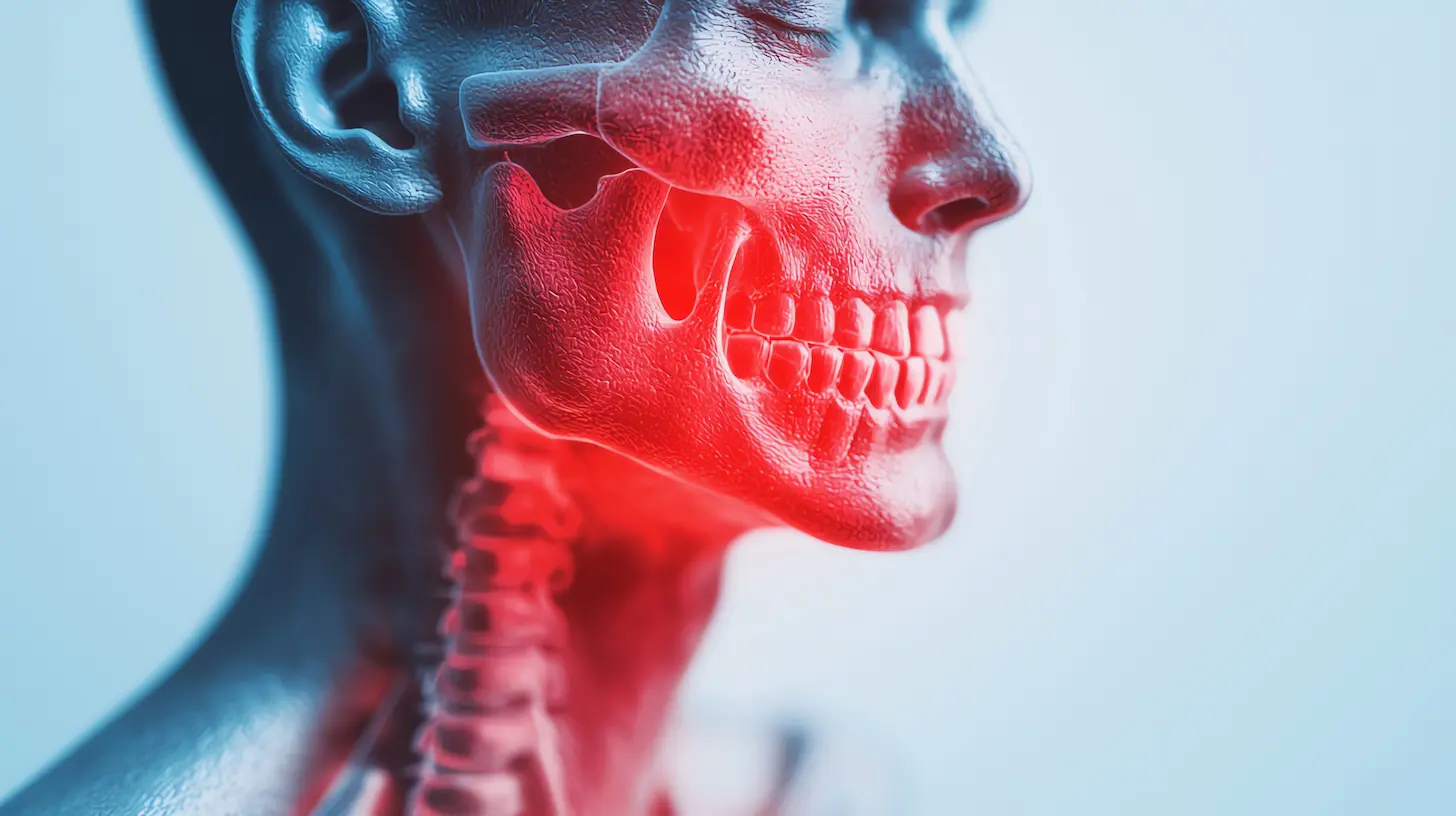 Jaw pain
TMJ treatment
Assessment and treatment options for jaw pain, clicking and related headaches.Learn more →
 Sleep
Snoring and sleep apnoea
Custom dental appliances that may help keep the airway open while you sleep.Learn more →