


What types of tooth removal does Anzac Avenue Dental perform?
Wisdom Teeth & Tooth Removal
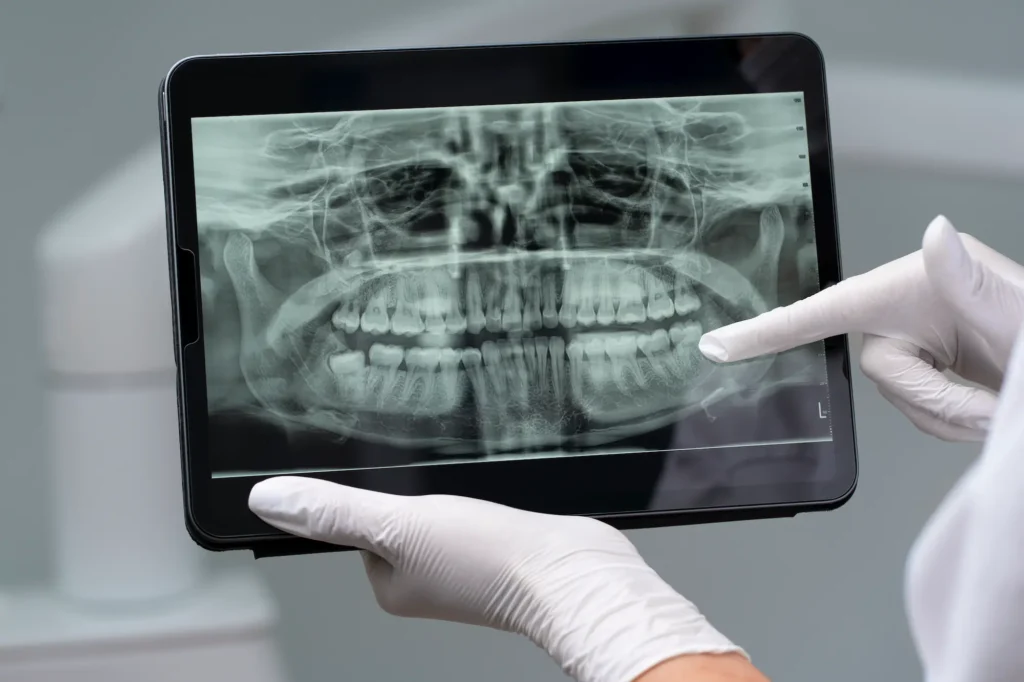
Anzac Avenue Dental performs a wide range of tooth removals, including wisdom teeth, from straightforward extractions to more complex cases involving damaged, broken, impacted, or difficult-to-access teeth. Treatment is tailored to the condition of the tooth and the needs of the patient, with care available for everything from simple removals to more involved surgical extractions. To help make the experience as comfortable as possible, sedation options including IV sedation and general anaesthetic are available for suitable cases, offering additional support for patients who feel anxious or are undergoing more complex treatment.
General Dentistry Kid's Dentistry Cosmetic Dentistry Implant Dentistry
Book Your Appointment
Not sure where to start with your smile? We offer free cosmetic consultations
General Dentistry Cosmetic Dentistry Emergency Dentistry Children's Dentistry
Book Your Appointment

Free Cosmetic Consultations
Severe Tooth Decay
When decay becomes too extensive and the tooth cannot be restored with a filling, crown, or root canal, removal may be the best option. Extracting the tooth can help prevent ongoing pain, infection, and further damage to surrounding teeth.
Advanced Tooth Infection
A severely infected tooth may need to be removed if the infection cannot be effectively treated or has spread deep into the tooth and surrounding area. Removal can help protect your oral health and reduce the risk of the infection worsening.
Cracked or Damaged Teeth
Teeth that are badly broken due to injury, trauma, or heavy wear may need to be removed when they cannot be repaired properly. In these cases, extraction may be the most predictable way to relieve discomfort and prevent future complications.
Impacted or Problematic Wisdom Teeth
Wisdom teeth often need to be removed when they are impacted, growing at an angle, causing pain, or affecting nearby teeth. Taking them out can help prevent crowding, infection, and damage to surrounding teeth and gums.
When are tooth removals necessary?
When To Have A Tooth Removed
A tooth may need to be removed when it is too badly damaged, decayed, infected, loose, or impacted to be successfully treated with other dental procedures. In some cases, removal is the best option to relieve pain, prevent infection from spreading, or protect the health of the surrounding teeth and gums. Tooth extractions are also commonly recommended for problematic wisdom teeth, severe overcrowding, or when a tooth cannot be restored safely or predictably.
POPULAR SERVICES WE OFFER
Our Treatments
Check Up & Cleans
Keep your smile healthy with a regular check-up and clean at Anzac Avenue Dental. We recommend coming in every six months.
General Dentistry
When a tooth is damaged, decayed, or broken, restorative treatment can get it back to full function. We offer fillings, crowns, bridges, and root canal treatment to repair the tooth.
Children's Dentistry
Children’s dentistry is all about building healthy habits early, helping little smiles grow strong with gentle, friendly care that keeps kids calm and confident at every visit.
Dental Implants
Dental implants are the gold standard for a permanent, natural-looking replacement. At Anzac Avenue Dental, we’ll have you smiling with confidence again.
Veneers
Veneers are a simple way to completely transform your smile, covering imperfections with thin, custom-made shells for a flawless, natural-looking result.
Clear Aligners
Straighten your teeth without the metal brackets. Clear removable aligners gradually shift your teeth into place without anyone even noticing.
Teeth Whitening
Teeth whitening is one of the fastest ways to refresh your smile, using professional-grade treatment to safely lift stains and reveal a brighter, more confident you.
TMJ Pain
Jaw pain, clicking, or frequent headaches can all be signs of a TMJ problem. We can assess what’s going on and recommend treatment options that may help reduce discomfort and protect your teeth.
Snoring & Sleep Apnoea
Snoring and sleep apnoea can affect your health and the sleep of everyone around you. Dental appliances are one option that may help by keeping the airway open during sleep.
IV Sedation & General Anaesthetic
Sleep Dentistry
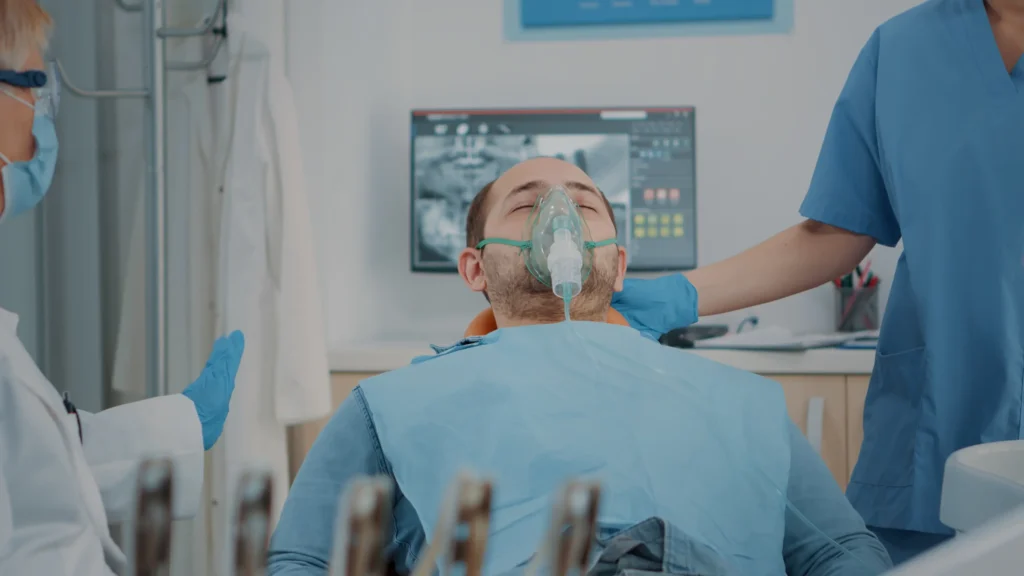
If fear or anxiety has been keeping you out of the dentist’s chair, sleep dentistry may be worth considering. Using IV sedation or general anaesthetic, we can carry out a wide range of treatments, from routine check-ups through to more complex procedures, while you rest comfortably. For many patients, it makes dental care feel manageable again.
Payment Plans
At Anzac Avenue Dental, we know dental treatment doesn’t always fit neatly into your budget, so we offer a range of flexible payment plan options to make it easier.

Cosmetic Dentistry General Dentistry Children's Dentistry Implant Dentistry
Book Your Appointment
Free Cosmetic Consultations
FAQ's
When does a tooth need to be removed?
A tooth may need to be removed if it is severely decayed, badly damaged, infected, loose, or impacted and cannot be saved with other dental treatment.
Is tooth removal painful?
The procedure itself is usually not painful because the area is numbed beforehand. Some discomfort after the extraction is normal, but this can usually be managed with aftercare instructions and appropriate pain relief.
When do wisdom teeth need to be removed?
Wisdom teeth may need to be removed if they are impacted, painful, infected, difficult to clean, or causing damage or crowding to nearby teeth.
Can a broken tooth be removed?
Yes, a broken tooth can often be removed if it cannot be repaired with a filling, crown, or other restorative treatment. The best option depends on how much healthy tooth structure remains.
What is the difference between a simple and surgical extraction?
A simple extraction is usually performed when the tooth is clearly visible and easy to remove. A surgical extraction may be needed for teeth that are broken, impacted, or more difficult to access, such as some wisdom teeth.
When should wisdom teeth be removed?
Wisdom teeth should be removed when they are impacted, causing pain, difficult to clean, infected, or putting nearby teeth at risk. In some cases, removal is also recommended to prevent future problems such as crowding, damage to surrounding teeth, or recurring gum infections.