

Composite Veneers vs Bonding: What Is the Difference?
If you are looking to fix a chipped tooth, close a small gap, or improve the look of your smile, two options that often come up are dental bonding and composite veneers. They are closely related, since both use the same tooth coloured composite resin, but they are used in different ways and suit different goals. This guide explains composite veneers vs bonding in plain terms, so you can understand the difference and work out which might be right for you.
What Is Dental Bonding?
Dental bonding is a quick, conservative way to fix a specific problem with a tooth. Your dentist applies tooth coloured composite resin directly to the area, shapes it to blend in, and hardens it with a special light, usually all in a single visit. Bonding is often used for small repairs like a chipped or cracked tooth, closing a minor gap, reshaping a tooth slightly, or covering a small area of discolouration. Because it targets one spot rather than the whole tooth, it is typically the simplest and most affordable option.
What Are Composite Veneers?
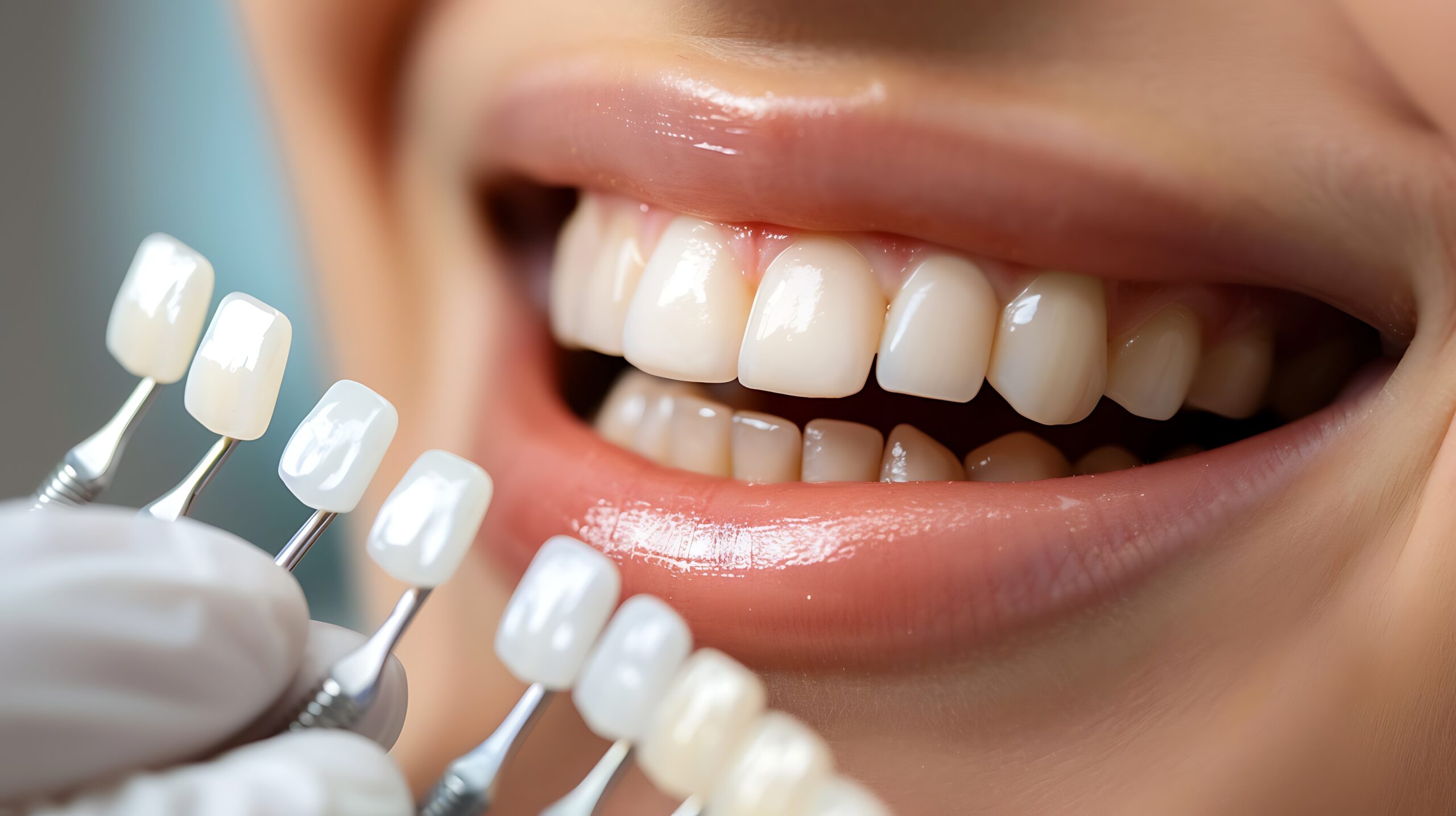
Composite veneers use the same material, but rather than fixing one small area, a thin layer of composite is applied and sculpted over the whole front surface of a tooth. This lets your dentist reshape the tooth, improve its colour, and create a more even, uniform look, often across several teeth at once for a fuller smile change. Like bonding, composite veneers can usually be completed in a single visit, without the laboratory step that porcelain veneers involve.
Composite Veneers vs Bonding: The Key Differences
The main difference comes down to how much of the tooth is involved and what you are trying to achieve. Bonding is a targeted repair for a specific issue, while composite veneers are a broader cosmetic change that covers the full face of the tooth. Bonding usually involves less material, less time and a lower cost, whereas composite veneers are a bigger step aimed at reshaping your smile more completely.
Dental Bonding
- Best for
- Small, specific fixes like a chip, a minor gap or slight reshaping.
- Coverage
- A targeted area of one tooth.
- Typical cost
- Lower, as it uses less material.
- Visits
- Usually one.
Composite Veneers
- Best for
- A fuller smile change across one or more teeth.
- Coverage
- The whole front surface of the tooth.
- Typical cost
- Higher, especially across several teeth.
- Visits
- Usually one.
Which Option Might Suit You?
If you have a single chip, a small gap, or one tooth that needs a minor touch up, bonding is often all that is needed and is the more economical choice. If you would like to change the overall shape, colour or evenness of several teeth, composite veneers give a more complete result. Because there is real overlap between the two, the best way to decide is a consultation, where we can look at your teeth and recommend the most suitable approach for the result you want.
Cost, Care and How Long They Last
Because both use composite resin, they share similar care and longevity. With good care, composite work commonly lasts several years before it may need refreshing, though this varies with your habits and diet. Composite can stain over time, so limiting things like coffee, tea and red wine, and keeping up regular check ups and cleans, helps it stay looking its best. Both bonding and composite veneers can usually be repaired or refreshed if they chip or wear. If you want the most durable, longest lasting and most stain resistant option, it is worth asking us about porcelain veneers, which involve more preparation and a higher cost but tend to last longer.
Frequently Asked Questions
Is dental bonding the same as composite veneers?
+
They use the same tooth coloured composite resin, but they are used differently. Bonding is a targeted repair for a specific spot, such as a chip or small gap, while composite veneers cover the whole front surface of a tooth to reshape and improve its overall look, often across several teeth.
Which is cheaper, bonding or composite veneers?
+
Bonding is usually the more affordable option, because it involves less material and treats a smaller area. Composite veneers cover the full surface of the tooth and are often done across several teeth, so they generally cost more overall.
How long do composite veneers and bonding last?
+
Because both use composite resin, they share a similar lifespan and commonly last several years before they may need refreshing. This varies with your habits and diet. Composite can stain or chip over time, but it can usually be repaired or refreshed.
Can composite veneers or bonding be whitened?
+
No. Composite does not respond to teeth whitening the way natural teeth do. If you are considering whitening, it is best done on your natural teeth first, so the composite can then be matched to the shade you want.
How do I choose between bonding and composite veneers?
+
It comes down to what you want to achieve. Bonding suits small, specific fixes like a single chip or gap, while composite veneers suit a fuller change across one or more teeth. A consultation is the best way to decide, as we can look at your teeth and recommend the most suitable option.
We provide composite bonding, veneers and cosmetic dental treatments to patients from Kallangur and the surrounding suburbs, including Murrumba Downs, Petrie, Griffin, Dakabin, Mango Hill, North Lakes and beyond.
Not sure which option is right for your smile?
A quick consultation is the easiest way to find out whether bonding or composite veneers would suit you best. Book online whenever it suits you, or get in touch with our Kallangur team.
Book a ConsultationThis article is general information only and is not a substitute for personalised dental advice. The most suitable option depends on an individual clinical assessment of your teeth and your goals.