

Your Dental Implants Recovery Timeline: What to Expect
If you are considering dental implants, or have surgery booked, one of the first things you will want to know is what recovery actually looks like. The reassuring part is that most people find implant recovery far more comfortable than they expected, and it follows clear, predictable stages. This guide walks you through the dental implant recovery timeline, from surgery day through the important healing phase to your final tooth, along with simple aftercare tips for each stage.
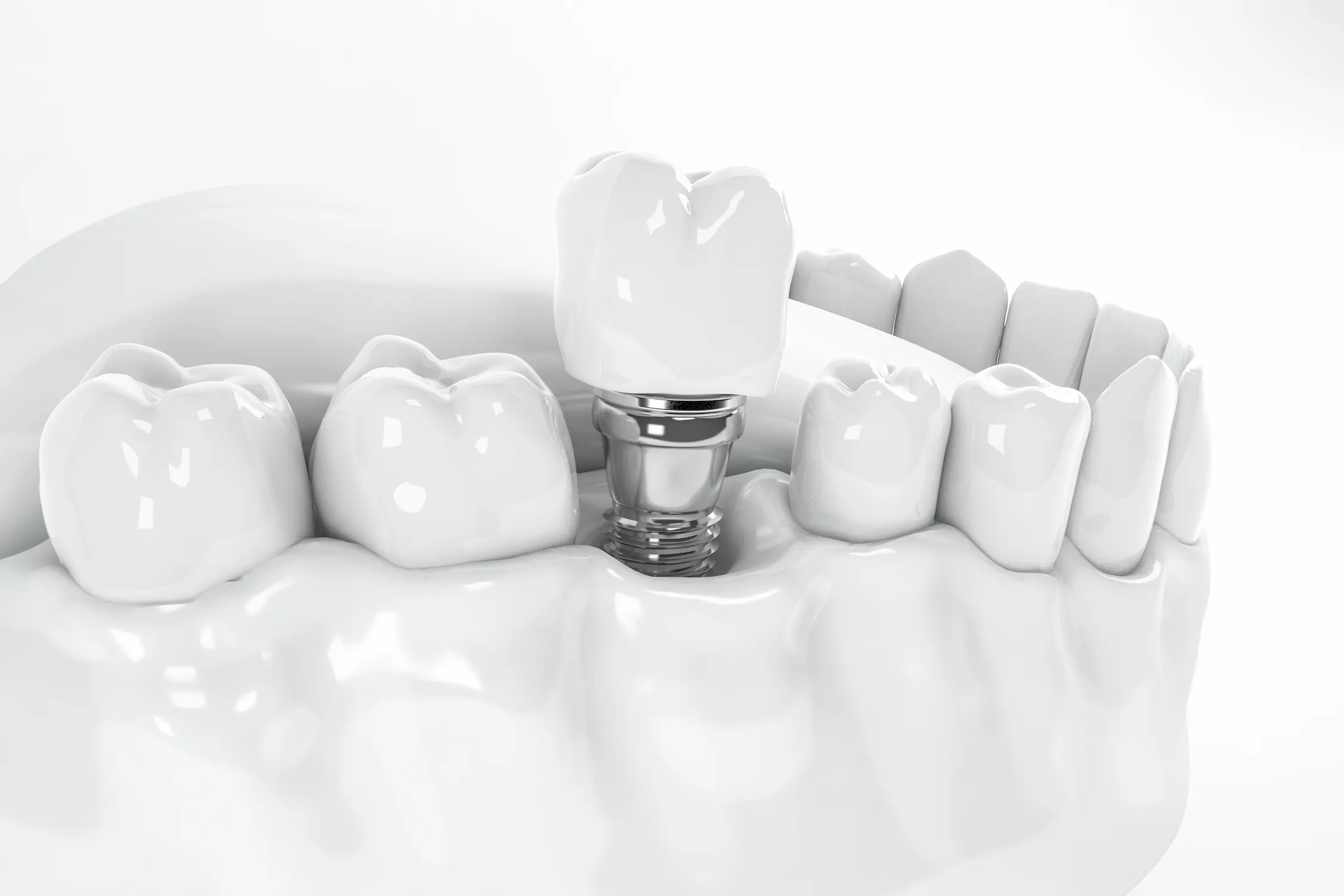
The Dental Implant Recovery Timeline, Step by Step
Surgery Day
Day oneYour implant is placed under local anaesthetic, with sedation available if you would prefer it. It is normal to have some minor bleeding and numbness afterwards. The main job for the rest of the day is to rest, keep the area clean, and follow the aftercare instructions we give you.
The First 48 Hours
Days 1 to 2Any swelling and discomfort tend to peak over the first day or two, then start to ease. Ice packs against the cheek, soft cool foods, standard pain relief taken as directed, and plenty of rest all help. Try to avoid very hot foods, drinking through a straw, smoking and alcohol during this time.
The First Week
Days 3 to 7Swelling settles noticeably over the first week. Gentle warm salt water rinses from the day after surgery help keep the area clean, and you can brush your other teeth as normal while being careful around the surgical site. Most people feel much more like themselves by the end of this week.
Soft Tissue Healed
Around 1 to 2 weeksThe gum and soft tissue around the implant heal over the first couple of weeks. Any stitches either dissolve or are removed at a short review visit, and most people are comfortably back to their normal routine and diet by this point.
Osseointegration
3 to 6 monthsThis is the key healing phase, where the implant gradually fuses with your jawbone to form a strong, stable foundation. It happens quietly in the background over several months, and you may wear a temporary tooth in the meantime so your smile is looked after while you heal.
Placing Your Final Tooth
After integrationOnce the implant has fully integrated, we attach the small connector and fit your custom made crown, bridge or denture. This is the appointment where your new tooth is completed and matched to your smile.
Fully Restored
OngoingWith your final tooth in place, your implant functions much like a natural tooth. From here it is all about everyday care and regular check ups, which help your implant last for many years.
How Long Does Implant Recovery Take?
It helps to think of implant recovery in two parts. The first is the healing of the gum and soft tissue, which usually takes about one to two weeks, with most people feeling back to normal within a few days. The second is osseointegration, where the implant fuses with the bone, and this commonly takes three to six months. That longer phase is why implant treatment is spread across several appointments rather than done all at once. If a bone graft is needed first, the overall timeline can be longer, and your dentist will explain your specific plan.
Caring for Yourself in the First Few Days
A little care early on makes recovery smoother. Rest and keep your head slightly elevated for the first day, use ice packs against the cheek to ease swelling, and stick to soft, cool foods while avoiding the surgical area. From the day after surgery, gentle warm salt water rinses help keep things clean. Take any pain relief as directed, avoid smoking and alcohol, and skip strenuous exercise for a few days. These simple steps give your implant the best possible start.
What Can Affect Your Recovery
A few things influence how smoothly recovery goes. Your general health matters, and conditions that affect healing can lengthen the process. Smoking is one of the biggest factors, as it slows healing and raises the risk of complications. The quality and amount of bone available plays a part too, since some people need a bone graft first. Following your aftercare instructions and keeping the area clean also make a genuine difference to how well everything heals.
When to Contact Us
Mild swelling, minor bleeding and some discomfort are all a normal part of the first few days. However, it is worth getting in touch if something does not feel right.
Frequently Asked Questions
How long does it take to recover from dental implant surgery?
+
The initial healing of the gum and soft tissue usually takes about one to two weeks, and most people feel back to normal within a few days. The implant then needs time to fuse with the jawbone, a process called osseointegration, which commonly takes three to six months before the final tooth is placed.
How long does the pain last after dental implants?
+
Any discomfort is usually mild and settles within a few days. Most people manage it well with standard pain relief taken as directed, along with ice and rest in the first day or two. If pain worsens after a few days rather than improving, contact us.
What can I eat after dental implant surgery?
+
For the first few days, stick to soft, cool foods such as yoghurt, soup that is not too hot, mashed vegetables and smoothies, and avoid the surgical area. As healing progresses you can gradually return to your normal diet. Avoid very hot foods and drinking through a straw early on.
When can I go back to work?
+
Many people return to work or their normal routine within one to two days, depending on how they feel and how physical their job is. It is sensible to take it easy and avoid strenuous exercise for the first few days while the area settles.
Can I smoke after implant surgery?
+
It is strongly advised to avoid smoking, as it slows healing and increases the risk of complications and implant failure. If you smoke, your dentist can talk with you about the best approach around your surgery and recovery.
What is osseointegration?
+
Osseointegration is the process where the implant post fuses with your jawbone to form a stable foundation for your new tooth. It is the key healing phase and commonly takes three to six months, which is why implant treatment is spread over several appointments.
We provide dental implants to patients from Kallangur and the surrounding suburbs, including Murrumba Downs, Petrie, Griffin, Dakabin, Mango Hill, North Lakes and beyond.
Considering dental implants?
The best first step is a consultation, where we can assess your suitability and walk you through what your own treatment and recovery would involve. Book online whenever it suits you, or get in touch with our Kallangur team.
Book a ConsultationThis article is general information only and is not a substitute for personalised dental or medical advice. Recovery varies from person to person and depends on an individual clinical assessment. Always follow the specific aftercare instructions your dentist gives you, and in a medical emergency call 000.